Biohazard odors can pose significant challenges, requiring careful attention and effective cleanup strategies. Understanding the nature of these odors is vital for addressing them properly. Personal safety should always come first, making the use of protective equipment essential. Various techniques and materials exist for odor removal, but the effectiveness can vary based on the situation. To uncover the best approaches for specific cases, it’s important to explore the methods available.
Key Takeaways
Utilize personal protective equipment (PPE) to safeguard against harmful contaminants during the cleanup process.
Employ odor absorption methods like activated charcoal or baking soda to neutralize unpleasant smells effectively.
Use chemical neutralization with specialized cleaning agents tailored for biohazard situations to break down odors.
Consider advanced equipment such as air scrubbers and industrial ozone generators for thorough odor elimination.
Call in professional services if odors persist or if contamination is extensive to ensure safe and effective remediation.
Understanding Biohazard Odors
Understanding biohazard odors is crucial for effective cleanup and safety management, especially in environments where hazardous materials may be present. These odors can emanate from various biohazard sources, including decaying organic matter, bodily fluids, or chemical spills. Expert biohazard cleanup is essential for odor detection, which plays a critical role in identifying and evaluating the extent of contamination. By recognizing specific smells, individuals can pinpoint the source and determine appropriate actions for remediation. Properly addressing these odors not only guarantees a safer environment but also minimizes potential health risks. Awareness of biohazard odors empowers individuals to act swiftly, maintaining a sense of freedom and safety in their surroundings. Additionally, utilizing proper biohazard cleanup techniques is essential for ensuring thorough remediation. Ultimately, understanding these odors is a fundamental component of successful biohazard management.
Essential Safety Precautions
Safety is paramount when dealing with biohazard cleanup, as exposure to hazardous materials can pose serious health risks.
Individuals engaged in this work must prioritize their well-being and that of others.
Essential safety precautions should always be observed, including:
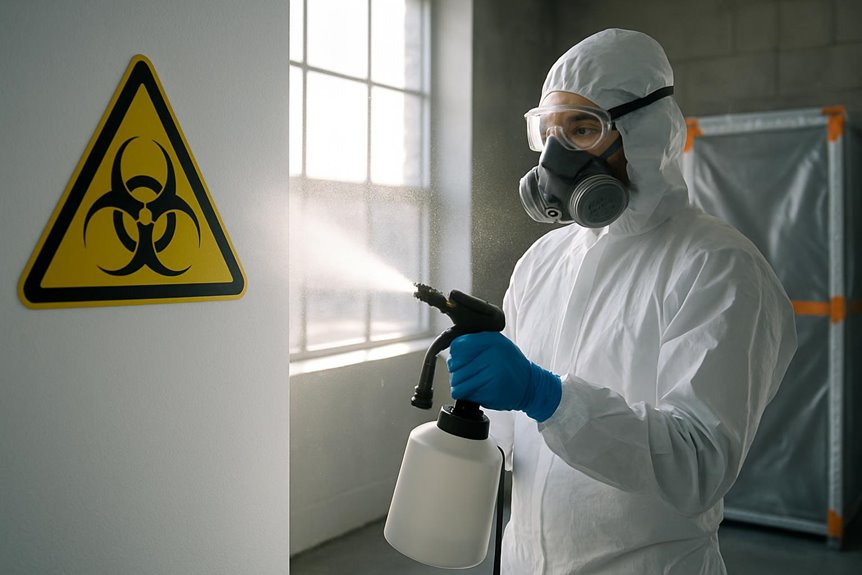
Wearing personal protective equipment (PPE) to shield against contaminants
Properly training in chemical handling to prevent dangerous accidents
Ensuring adequate ventilation in the work area to reduce inhalation risks
Keeping first aid supplies readily available for emergencies
Additionally, understanding the role of biohazard cleanup services can provide crucial support in managing these hazardous situations. These services often include specialized training and support to ensure the safety of all involved.
Effective Odor Removal Techniques
Effectively removing biohazard odors requires a systematic approach that combines various techniques and products tailored to the specific situation.
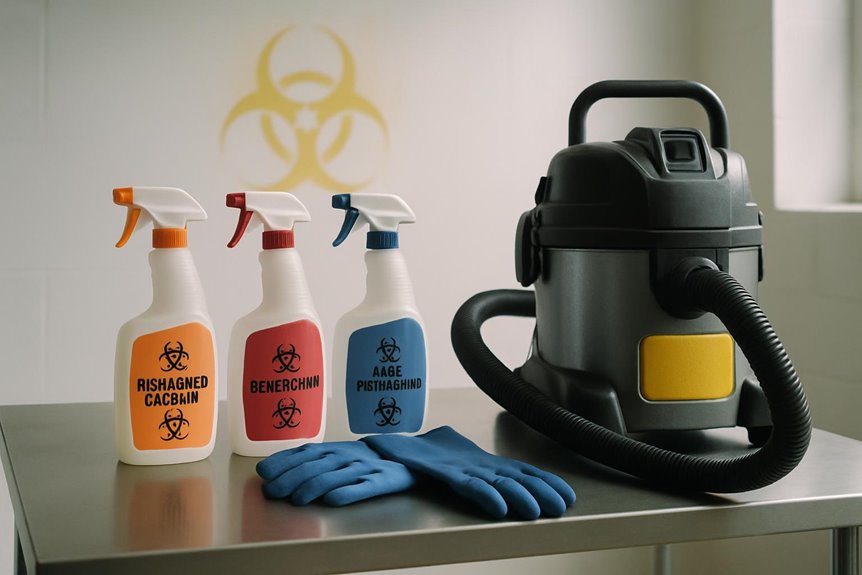
One effective method involves odor absorption, utilizing materials such as activated charcoal or baking soda to trap and neutralize unpleasant smells. These substances can be placed in affected areas to gradually eliminate odors over time.
Additionally, chemical neutralization techniques can be employed, using specialized cleaning agents designed to break down and neutralize odor-causing compounds. It is important to select products specifically formulated for biohazard situations, ensuring safety and efficacy.
Utilizing Professional Equipment
Utilizing professional equipment is essential for achieving thorough biohazard odor cleanup. The use of professional tools and advanced technology not only enhances the efficiency of the cleanup process but also guarantees safety and effectiveness in removing harmful odors.
This specialized equipment empowers individuals to reclaim their environments and restore peace of mind.
Advanced air scrubbers to filter out toxic particles
Industrial-strength ozone generators for deep odor elimination
High-temperature steam cleaners for sanitizing surfaces
Biohazard waste disposal systems for safe removal
When to Call in Experts
When should one consider bringing in professional help for biohazard odor cleanup? If biohazard signs are present, such as visible contamination or strong, lingering odors, it may be time to seek expert assessment.
Professionals possess the specialized equipment and knowledge necessary to safely and effectively handle hazardous materials and odors. Additionally, if the source of the odor is unknown or if the area affected is extensive, experts can guarantee thorough remediation and compliance with safety regulations.
Homeowners who feel overwhelmed or uncertain about the cleanup process will benefit from the reassurance and expertise that professionals provide.
Ultimately, prioritizing safety and proper handling of biohazard situations is essential for maintaining a healthy living environment.
Frequently Asked Questions
How Long Does Biohazard Odor Removal Typically Take?
The odor removal timeframe varies considerably, influenced by factors such as the extent of contamination, type of materials affected, and methods employed. Professional assessments often determine the most efficient and effective approach for complete odor elimination.
Can I Use Household Products for Biohazard Odor Cleanup?
Using household products for biohazard odor cleanup can be effective; nevertheless, professional-grade odor neutralizers are often recommended for thorough removal. Household cleaners may not adequately eliminate strong odors, potentially leading to lingering issues if misapplied.
What Are Common Sources of Biohazard Odors?
Common sources of biohazard odors include sewage leaks, which release foul smells, and decomposing materials, such as organic waste. Understanding these origins can help individuals address and mitigate unpleasant and potentially harmful odors effectively.
Are There Specific Regulations for Biohazard Cleanup?
Specific regulations for biohazard cleanup exist to guarantee regulatory compliance and uphold cleanup standards. These guidelines help protect public health and safety, allowing individuals to manage biohazardous situations responsibly while maintaining their freedom and wellbeing.
How Can I Prevent Biohazard Odors From Returning?
To prevent biohazard odors from returning, one should employ effective odor neutralization methods alongside preventative measures, such as thorough cleaning and proper ventilation, ensuring a fresh environment free from lingering unpleasant smells and potential health risks.
Conclusion
To summarize, effectively managing biohazard odors requires a careful approach that prioritizes safety and thoroughness. By wearing appropriate protective gear, identifying the odor source, and employing effective removal techniques, individuals can greatly mitigate unpleasant smells. Utilizing specialized equipment can enhance cleanup efforts, but persistent issues may necessitate professional intervention. By following these guidelines, one can guarantee a cleaner, safer environment while effectively addressing biohazard odors.
Biohazard odors pose significant health risks and can linger long after the initial incident. Specialized methods for cleanup are essential to effectively neutralize these harmful smells. Utilizing advanced equipment and chemical agents, professionals can target the root sources of odors, ensuring thorough remediation. Understanding the complexities involved in biohazard cleanup highlights the need for trained technicians. But what exactly makes these specialized methods vital for maintaining a safe environment?
Key Takeaways
Specialized methods ensure the effective removal of harmful biohazard odors, addressing both the odors and their underlying contamination sources.
Advanced equipment and chemical agents are essential for thorough deodorization and tackling complex biohazardous environments.
Certified technicians possess the expertise to safely identify and manage biohazards, minimizing health risks during cleanup.
Adherence to safety protocols protects workers and the community from exposure to hazardous materials during the cleanup process.
Long-term solutions focus on permanent odor elimination, preventing future health risks and ensuring a safe environment.
Understanding Biohazard Odors
Biohazard odors are often unmistakable, carrying a potent and unsettling presence that can indicate the presence of harmful materials. These odors typically stem from various biohazard sources, such as decaying organic matter, bodily fluids, or chemical spills. Each source emits distinct odor characteristics; for instance, decomposing tissues may produce a strong, rancid smell, while certain chemicals might generate sharp, acrid scents.
Recognizing these odors is essential, as they serve as a warning sign of potential hazards. The effective biohazard cleanup process involves not only odor removal but also addressing the contamination source to ensure safety. Understanding the nature of biohazard odors empowers individuals to take appropriate action, ensuring safety and promoting a healthier environment. Expert biohazard cleanup services are crucial for effectively addressing these odors and the underlying issues, preventing further health risks.
This knowledge fosters a sense of freedom, allowing individuals to navigate potentially dangerous situations with confidence and awareness.
The Risks of Improper Cleanup
Neglecting proper cleanup of biohazard situations can lead to serious health and safety risks. Without adequate measures, harmful pathogens may linger, resulting in significant health consequences for individuals exposed to the area. Additionally, improper cleanup can facilitate contamination spread, endangering not only the immediate vicinity but also adjacent environments. A professional biohazard cleanup company employs specialized methods to ensure thorough decontamination and odor removal. These methods often include advanced cleaning techniques that effectively eliminate pathogens and odors.
Risk
Impact
Pathogen Exposure
Increased illness likelihood
Contamination Spread
Wider environmental threat
Chemical Residue
Long-term health issues
Psychological Effects
Trauma and anxiety
Financial Liability
Costly legal repercussions
Ensuring thorough and specialized cleanup is essential to maintain a safe and healthy environment, preventing potential repercussions from inadequate handling of biohazard situations.
Specialized Equipment for Odor Removal
Effective odor removal in biohazard situations often relies on specialized equipment designed to neutralize persistent smells and eliminate harmful contaminants.
This equipment includes advanced air scrubbers, ozone generators, and thermal foggers, which work together to guarantee comprehensive odor neutralization. Air scrubbers filter out airborne particles and odors, while ozone generators produce ozone to break down odor-causing compounds.
Thermal foggers disperse a fine mist that penetrates porous materials, effectively neutralizing odors at their source. Utilizing specialized equipment not only enhances the cleanup process but also safeguards the health and well-being of individuals in the affected area.
Chemical Agents Used in Biohazard Cleanup
Odor removal in biohazard situations is often complemented by the use of chemical agents specifically formulated to tackle the unique challenges presented by hazardous materials.
These agents are designed with precise chemical compositions that target the underlying sources of unpleasant odors, effectively neutralizing them.
Odor neutralizers play a significant role in this process, as they not only mask foul smells but also break them down at a molecular level.
Utilizing these specialized chemical agents guarantees a more thorough cleanup, addressing the complexities of biohazardous environments.
The Importance of Safety Protocols
While the process of biohazard cleanup can be complex and demanding, adhering to established safety protocols is essential for ensuring the well-being of both cleanup professionals and the general public.
The use of appropriate safety equipment, such as gloves, masks, and protective clothing, mitigates exposure to harmful substances and pathogens.
Additionally, having clear emergency procedures in place allows for swift action in the event of an unforeseen incident, minimizing risks.
These protocols not only safeguard the individuals directly involved in the cleanup but also protect nearby residents from potential hazards.
Professional Training and Expertise
Professional training and expertise are essential for effective biohazard odor cleanup.
Certified cleanup technicians are equipped with specialized odor removal techniques and adhere to strict safety protocols and guidelines.
This training guarantees that they can safely and efficiently handle hazardous situations while providing peace of mind to those affected.
Certified Cleanup Technicians
Certified cleanup technicians play a crucial role in restoring environments affected by biohazardous materials. These certified professionals undergo rigorous training to guarantee they meet industry standards, equipping them with the skills necessary to handle hazardous situations safely and effectively. Their expertise encompasses the identification of biohazards, proper containment procedures, and the implementation of cleanup protocols that minimize risks to health and the environment. By adhering to established guidelines, these technicians not only protect themselves but also the communities they serve.
Additionally, they utilize specialized methods for crime scene cleanup that ensure thorough deodorization and sanitization, further enhancing the safety of the environment. Their commitment to safety and professionalism fosters trust, empowering individuals to reclaim their spaces with confidence. Moreover, their training includes the use of advanced cleaning techniques that effectively neutralize harmful substances and odors. Ultimately, certified cleanup technicians are essential for guaranteeing that the aftermath of biohazard incidents is managed properly, promoting a safer, healthier environment for all.
Specialized Odor Removal Techniques
Effective odor removal requires specialized techniques that go beyond standard cleaning methods. Professionals utilize advanced odor absorption techniques and microbial odor control strategies to guarantee comprehensive cleanup. These methods are essential in addressing odors caused by biohazards, which standard cleaning cannot effectively manage. Additionally, mastering the art of crime scene cleanup ensures that all aspects of odor removal are handled with precision and care. Understanding the importance of crime scene cleanup services helps ensure that safety and sanitation are prioritized in every situation.
Technique
Description
Odor Absorption
Uses specialized materials to trap and neutralize odors.
Microbial Odor Control
Employs beneficial bacteria to break down odor-causing substances.
Chemical Neutralization
Involves applying compounds that chemically alter odor molecules.
Thermal Desorption
Utilizes heat to vaporize and remove odor compounds.
Through targeted training and expertise, certified technicians can implement these techniques effectively, restoring environments to a safe and pleasant state.
Safety Protocols and Guidelines
When addressing biohazard odor cleanup, adherence to safety protocols and guidelines is paramount to secure both worker safety and effective remediation.
Professionals engaged in this process must be equipped with appropriate safety equipment, such as gloves, respirators, and protective clothing, to mitigate exposure to hazardous materials.
Comprehensive training guarantees workers understand emergency procedures that may arise during cleanup operations, allowing for swift and safe responses to unforeseen incidents.
Additionally, organizations should maintain clear communication channels, assuring that all team members are informed about protocols and any potential hazards.
Long-Term Solutions vs. Temporary Fixes
Within the domain of biohazard odor cleanup, distinguishing between long-term solutions and temporary fixes is vital.
Permanent odor elimination not only enhances the environment but also plays a significant role in mitigating health risks associated with lingering contaminants.
Understanding the difference can help property owners make informed decisions that guarantee a safer and more pleasant space.
Permanent Odor Elimination
Many property owners face the challenge of eliminating persistent odors associated with biohazard incidents, leading to a critical decision between long-term solutions and temporary fixes.
While temporary fixes may provide immediate relief, they often fall short in addressing the root cause of odor persistence.
Permanent solutions, in contrast, focus on thorough remediation techniques that not only neutralize odors but also prevent their recurrence. These methods may involve specialized cleaning agents and advanced technologies, ensuring that the environment remains odor-free for the long haul.
Health Risks Mitigation
While addressing biohazard odors, property owners must also consider the associated health risks that can arise from both long-term solutions and temporary fixes.
Effective health management requires a thorough risk evaluation to mitigate potential dangers. Specialized training in crime scene cleaning ensures that professionals are equipped to handle hazardous situations safely.
Temporary fixes may mask odors but often fail to eliminate harmful pathogens, posing ongoing health threats. In contrast, long-term solutions prioritize safety and well-being.
Key considerations include:
Proper containment: Preventing further exposure to hazardous materials.
Thorough decontamination: Eliminating the source of odors and pathogens.
Ongoing monitoring: Ensuring a safe environment by regularly evaluating health risks.
Additionally, employing specialized methods for odor removal ensures that crime scene cleaners effectively address both visible and invisible contaminants.
Case Studies: Successful Biohazard Odor Remediation
Although biohazard odor remediation can be a complex process, numerous case studies illustrate successful outcomes that restore environments to safe and livable conditions.
For instance, a case study involving a residential property after a tragic incident showcased the effectiveness of specialized odor remediation techniques. Professionals employed advanced cleaning agents and methods, ensuring the complete removal of harmful bacteria and persistent odors.
Another case study focused on a commercial space that experienced biological contamination, where targeted treatments led to prompt restoration and minimal disruption to business operations.
These examples highlight the importance of utilizing specialized approaches in odor remediation, demonstrating that with the right expertise, even the most challenging situations can be effectively resolved, ultimately fostering healthier living and working environments.
Frequently Asked Questions
How Do I Identify Biohazard Odors in My Home?
To identify biohazard odors in a home, one must examine potential odor sources, such as decaying organic matter or mold. Noting odor characteristics, like pungency or sweetness, can aid in distinguishing harmful substances from benign smells.
What Should I Do Immediately After Discovering a Biohazard Odor?
Upon discovering a biohazard odor, one should take initial steps such as evacuating the area and contacting professionals. Implementing safety precautions is crucial to avoid exposure and guarantee a safe environment for all involved.
Are There DIY Solutions for Biohazard Odor Removal?
DIY solutions for biohazard odor removal can include homemade solutions like vinegar and baking soda, or natural remedies such as activated charcoal. These methods may provide temporary relief but may not address underlying contamination effectively.
How Can I Prevent Future Biohazard Odors?
To prevent future biohazard odors, individuals should implement preventive measures such as regular cleaning, proper waste disposal, and effective odor control strategies. These practices help maintain a safer environment and reduce the risk of unpleasant smells.
What Are the Signs That Professional Cleanup Is Needed?
Signs indicating the need for professional cleanup include persistent foul odors, visible stains, and health concerns. A qualified professional assessment can identify biohazard signs, ensuring safety and effective remediation, allowing individuals to regain their space confidently.
Conclusion
To summarize, employing specialized methods for biohazard odor cleanup is essential for ensuring both effectiveness and safety. By utilizing advanced equipment and trained professionals, communities can effectively eliminate harmful odors and mitigate health risks. These comprehensive approaches not only address the immediate issues but also provide long-term solutions that foster a healthier environment. Investing in proper biohazard cleanup techniques helps protect public health and enhances the general quality of life in affected areas.
Within the scope of biohazard cleanup, managing odors is a critical concern. Various methods exist to tackle these challenging smells effectively. Among them, thermal fogging, ozone treatment, and chemical odor neutralizers stand out as the top choices. Each method offers unique benefits and applications, ensuring comprehensive odor management. Understanding how these techniques work can greatly impact the effectiveness of cleanup efforts. Exploring their individual strengths reveals valuable insights for those faced with such emergencies.
Key Takeaways
Chemical Odor Neutralizers absorb and bind with odor-causing agents, providing immediate scent masking and enhancing air quality for safe environments.
Thermal Fogging disperses deodorizing agents in a mist, penetrating deep into materials for comprehensive odor neutralization where traditional cleaning fails.
Ozone Treatment employs ozone gas to oxidize and eliminate odors at the molecular level, ensuring thorough removal without harmful residues.
Combining these methods can achieve superior results, addressing various challenges in biohazard odor management effectively.
Always prioritize safety by vacating spaces during ozone treatment and confirming contamination levels before applying any cleanup method.
Chemical Odor Neutralizers
Chemical odor neutralizers play an essential role in managing unpleasant and potentially harmful odors resulting from biohazard incidents.
These products are designed to eliminate odors through processes such as chemical absorption, where molecules bind with odor-causing agents, effectively removing them from the environment.
Furthermore, many neutralizers employ odor masking techniques, which provide an immediate, pleasant scent while the underlying odors are addressed.
This dual approach not only enhances air quality but also guarantees a safer space for individuals who may return to the area.
Thermal Fogging
A very efficient method for addressing biohazard odors is thermal fogging, which utilizes heat to disperse deodorizing agents in a fog-like mist. This technique penetrates porous materials, ensuring comprehensive odor neutralization in affected areas. Additionally, it’s important to note that effective strategies for odor remediation include assessing the extent of contamination prior to applying any treatments.
Thermal fogging techniques involve specialized thermal fogging equipment that generates a fine mist, allowing the deodorizing agents to effectively bind with odor particles. This process is particularly advantageous in scenarios where traditional cleaning methods may fall short, as it reaches hidden crevices and fabrics. Additionally, biohazard cleanup services often employ thermal fogging as a standard practice to guarantee thorough odor removal.
Ozone Treatment
Ozone treatment presents a powerful solution for eliminating biohazard odors, leveraging the natural disinfecting properties of ozone gas.
This method utilizes an ozone generator, which produces ozone by converting oxygen molecules. The generated ozone effectively oxidizes odor-causing compounds, breaking them down at the molecular level and achieving thorough odor removal.
Unlike traditional cleaning agents, ozone treatment penetrates deep into porous materials, guaranteeing comprehensive results. Additionally, ozone is a natural process that leaves no harmful residues, promoting a healthier environment. However, it is crucial to use proper safety measures during the process to ensure the safety of individuals not using the treatment.
Nevertheless, it is essential to confirm that spaces are vacated during treatment, as high levels of ozone can be harmful.
In general, ozone treatment stands out as an efficient and eco-friendly approach to tackling persistent biohazard odors.
Frequently Asked Questions
How Long Does It Take for Odor Neutralizers to Work?
The effectiveness of odor neutralizers varies, typically requiring anywhere from minutes to several hours for noticeable results. The odor removal timeline depends on factors like concentration and environmental conditions, influencing the general success of the neutralization process.
Are There Any Health Risks Associated With Thermal Fogging?
The question of health risks associated with thermal fogging revolves around potential health effects, including respiratory irritation. Fogging safety measures, such as proper ventilation and protective gear, are essential to mitigate these risks during cleanup processes.
Can Ozone Treatment Damage Furniture or Electronics?
Ozone exposure can potentially damage furniture and electronics if not managed properly. To guarantee furniture protection, it is essential to follow guidelines and monitor ozone levels during treatment, safeguarding valuable items from unintended harm.
Is Professional Help Necessary for Biohazard Odor Cleanup?
Professional help is often essential for effective biohazard odor cleanup, as they possess specialized knowledge and equipment. While DIY solutions may be tempting, they may not adequately address underlying issues, potentially leading to persistent odors.
What Precautions Should I Take During Odor Cleanup?
During odor cleanup, individuals should prioritize safety by wearing protective gear and implementing effective ventilation practices. This guarantees a safer environment, minimizing exposure to harmful substances while promoting efficient odor removal and maintaining personal well-being.
Conclusion
To summarize, effectively managing biohazard odors requires a strategic approach utilizing the best cleanup methods available. Chemical odor neutralizers provide immediate relief by masking and absorbing unpleasant smells, while thermal fogging guarantees thorough coverage in hard-to-reach areas. Ozone treatment stands out as an eco-friendly option that tackles odors at the molecular level. By combining these techniques, individuals and professionals can achieve peak results, assuring a safer and more pleasant environment in the aftermath of a biohazard incident.
Effective biohazard waste removal is essential following any backup incident. Employing optimal methods guarantees safety and compliance with regulations. Key strategies include proper waste segregation, safe handling procedures, and thorough sanitization. Organizations must prioritize these measures to protect personnel and the environment. Understanding the nuances of each step can greatly impact the overall efficiency of the cleanup process. What are the specific strategies that can make a difference?
Key Takeaways
Conduct a thorough contamination assessment to identify hazardous materials before initiating waste removal after a backup incident.
Utilize sealed containers and clearly labeled biohazard bags for secure storage of waste during the removal process.
Follow local regulations and guidelines for the proper disposal of biohazard waste to ensure compliance and safety.
Implement effective sanitization and disinfection techniques on affected areas to eliminate pathogens post-removal.
Maintain accurate documentation of the waste disposal activities for audits and regulatory compliance purposes.
Assessing the Contaminated Area
How does one effectively assess a contaminated area? The process begins with a thorough contamination assessment, which involves identifying the type and extent of hazardous materials present. This entails visual inspections and sampling to gather data on potential risks.
Following this, an area evaluation is conducted to determine the boundaries of the contamination and the level of threat it poses to health and the environment. Utilizing specialized tools and methods, professionals can pinpoint contaminated zones while ensuring that areas deemed safe remain accessible. Additionally, understanding the importance of biohazard cleanup services is crucial as they provide expertise in managing hazardous materials safely.
Effective communication with stakeholders is essential, as it promotes transparency and fosters a collaborative approach to remediation. Ultimately, a comprehensive assessment lays the groundwork for informed decision-making and the implementation of appropriate waste removal strategies. Additionally, engaging expert biohazard cleanup services ensures that the assessment is conducted with the highest standards of safety and precision.
Personal Protective Equipment (PPE) Guidelines
When handling biohazard waste, the selection and proper use of Personal Protective Equipment (PPE) is vital for ensuring safety.
Essential types of PPE include gloves, masks, gowns, and eye protection, each serving a specific role in minimizing exposure to hazardous materials.
Understanding the guidelines for utilizing this equipment effectively can greatly reduce the risk of contamination and injury.
Essential PPE Types
Personal Protective Equipment (PPE) is a critical line of defense in biohazard waste removal, ensuring the safety and health of workers handling hazardous materials.
Essential PPE types include various glove types, such as nitrile, latex, and vinyl, each designed to provide specific protection against different biohazards. Nitrile gloves are particularly favored for their puncture resistance and durability.
Additionally, appropriate mask materials, like N95 respirators or surgical masks, play a crucial role in safeguarding against airborne pathogens. These masks should offer a snug fit to effectively filter out harmful particles.
Proper PPE Usage
Proper usage of personal protective equipment (PPE) is essential for guaranteeing the safety of workers involved in biohazard waste removal.
Adhering to guidelines for PPE training and maintenance not only protects individuals but also promotes a culture of safety.
Here are three key practices to follow:
Regular Training: Guarantee all workers are trained in proper PPE usage, including donning and doffing techniques.
Routine Inspections: Conduct frequent inspections of PPE to check for wear and tear, addressing any maintenance needs immediately.
Proper Storage: Store PPE in a clean, dry area to prevent contamination and prolong its lifespan.
Proper Containment of Biohazard Waste
Effective containment of biohazard waste is essential for minimizing risks to public health and the environment. Proper containment methods guarantee that hazardous materials are securely stored, preventing leaks and exposure.
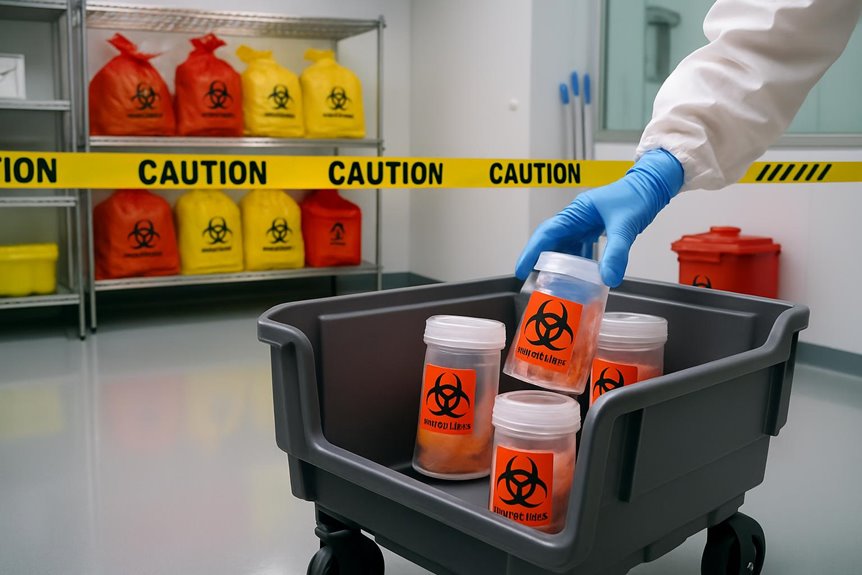
Utilizing appropriate waste storage solutions, such as sealed containers and designated biohazard bags, serves an important function in maintaining safety. It is critical to label all containers clearly, indicating their contents and hazard levels.
Additionally, following local regulations regarding waste disposal procedures reinforces the importance of responsible management. Implementing training programs for personnel handling biohazard waste fosters a culture of safety and awareness.
Sanitization and Disinfection Techniques
Although often overlooked, sanitization and disinfection techniques play an essential role in the management of biohazard waste. Implementing effective sanitization methods and disinfection protocols is vital to guarantee a safe environment.
The following strategies are fundamental:
Surface Cleaning: Regularly clean surfaces with approved disinfectants to eliminate pathogens and prevent contamination.
Ultraviolet (UV) Light: Utilize UV light devices to disinfect areas that are hard to reach, effectively killing harmful microorganisms.
Chemical Disinfectants: Apply EPA-approved chemical solutions, ensuring they are used according to the manufacturer’s guidelines for maximum efficacy.
Safe Transportation of Biohazard Materials
Ensuring the safe transportation of biohazard materials is critical to preventing exposure and contamination during transit. Effective transportation protocols are crucial for minimizing risks associated with handling potentially hazardous waste.
These protocols should outline specific containment methods, such as using puncture-resistant containers and sealed bags, ensuring materials remain secure throughout the journey. Personnel must be trained in proper handling techniques and emergency response procedures to address any unforeseen incidents.
Additionally, clear labeling on all containers is essential for informing transporters and emergency responders of the contents. By adhering to established guidelines, organizations can uphold safety standards, protect public health, and maintain a sense of responsibility towards the community, allowing individuals to engage in their daily lives without unnecessary concern. Furthermore, implementing specific containment methods can significantly reduce the likelihood of accidents during transportation.
Disposal Regulations and Compliance
Understanding disposal regulations and compliance is essential for the safe management of biohazard waste.
Local disposal laws and hazardous material guidelines play an important role in ensuring that waste is handled appropriately.
Additionally, maintaining accurate compliance documentation is essential for organizations to demonstrate adherence to these regulations.
Local Disposal Laws
Managing local disposal laws is crucial for organizations handling biohazard waste, as these regulations guarantee the safe and compliant management of potentially hazardous materials. Adhering to local disposal guidelines helps prevent environmental contamination and guarantees public safety.
Organizations must familiarize themselves with specific municipal waste regulations to maintain compliance.
Key considerations include:
Understanding Local Regulations: Each municipality may have unique guidelines for biohazard waste disposal, so it’s crucial to stay informed.
Proper Segregation of Waste: Different types of biohazard waste require distinct disposal methods; mixing them can lead to compliance issues.
Documentation and Reporting: Keeping accurate records of waste disposal activities is crucial for legal compliance and future audits.
Hazardous Material Guidelines
While organizations may endeavor to maintain compliance with biohazard waste regulations, adherence to hazardous material guidelines is equally important for ensuring safe disposal practices.
Understanding the nature of hazardous materials allows organizations to implement appropriate safety protocols tailored to their specific needs. These guidelines encompass proper identification, labeling, and storage of hazardous substances, which are crucial to minimizing risks associated with improper handling.
Additionally, organizations must stay informed about local and federal regulations to avoid penalties while promoting a culture of safety. Training employees on these guidelines not only enhances compliance but also fosters an environment where safety becomes a shared responsibility.
Ultimately, following these hazardous material guidelines empowers organizations to manage biohazard waste effectively and responsibly.
Compliance Documentation Required
Compliance documentation plays an essential part in the effective disposal of biohazard waste, building upon the foundation established by hazardous material guidelines.
Adhering to compliance checklists and documentation procedures guarantees that waste is managed responsibly and legally. Organizations can streamline their efforts by focusing on the following key areas:
Waste Tracking: Maintain accurate records of biohazard waste from generation to disposal, ensuring transparency.
Training Records: Document all employee training related to biohazard waste handling to demonstrate compliance with regulations.
Disposal Certificates: Obtain and retain certificates of disposal from certified waste management companies to validate proper handling.
Post-Cleanup Monitoring and Follow-Up
Post-cleanup monitoring and follow-up are essential components of an effective biohazard waste removal strategy, as they guarantee that the area remains safe and free from potential contaminants.
Conducting thorough post cleanup assessments allows professionals to evaluate the effectiveness of the cleanup process. This step guarantees that no harmful residues remain, which could pose health risks.
Ongoing monitoring is vital, as it provides a continuous evaluation of the environment, enabling prompt action should any new issues arise. Regular inspections, coupled with feedback from occupants, contribute to a safer space.
Frequently Asked Questions
What Types of Biohazard Waste Are Most Commonly Encountered?
The most commonly encountered types of biohazard waste include blood spills and medical waste. These materials require careful handling and disposal to guarantee safety and compliance with health regulations, protecting both individuals and the community at large.
How Can I Identify Potential Hidden Contamination?
To identify potential hidden contamination, one should inspect for hidden leaks and assess common contamination sources, such as plumbing systems and storage areas. Regular monitoring and thorough inspections can help guarantee a safe, contamination-free environment.
What Should I Do if I Feel Unwell After Cleanup?
If someone feels unwell after cleanup, they should follow self-care tips, such as resting and staying hydrated. Consulting a symptoms checklist can help identify any concerning signs, guiding them towards appropriate medical attention, if necessary.
Are There Specific Training Requirements for Biohazard Waste Handlers?
Specific training requirements for biohazard waste handlers typically include certification programs that emphasize safety protocols. These programs guarantee handlers are knowledgeable about proper disposal techniques, minimizing risks to health and the environment, and enhancing general safety.
How Often Should Biohazard Waste Removal Be Conducted in Facilities?
Biohazard waste removal frequency should adhere to established guidelines and facility optimal procedures. Regular assessments guarantee compliance with safety regulations, fostering a clean environment that supports health while allowing facilities to operate with greater freedom and efficiency.
Conclusion
To summarize, implementing effective biohazard waste removal strategies is essential for maintaining safety and compliance following a backup. By evaluating contaminated areas, utilizing appropriate PPE, and guaranteeing proper containment and transportation of waste, organizations can greatly reduce health risks. Additionally, adhering to disposal regulations and conducting thorough post-cleanup monitoring guarantees ongoing safety. These optimal practices not only protect personnel but also contribute to a healthier environment, fostering a culture of responsibility and care in waste management.