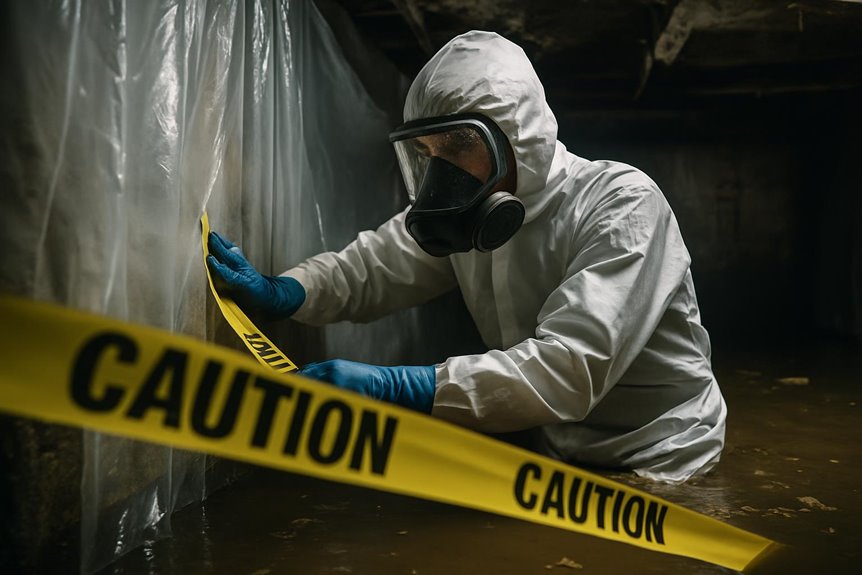
Asbestos removal during home restoration is a critical task that requires careful planning and safety measures. Homeowners must understand the risks associated with asbestos exposure and know how to assess their property for its presence. Proper preparation, safety gear, and removal techniques are essential to protect both health and the environment. Yet, many overlook the importance of post-removal procedures. Understanding these can make all the difference in ensuring a safe living space. What steps should one take next?
Key Takeaways
Conduct a thorough visual inspection of your home to identify potential asbestos-containing materials before starting any restoration work.
Use proper personal protective equipment (PPE) such as respirator masks, safety goggles, and protective clothing during the removal process.
Wet the asbestos materials before removal to minimize dust and airborne fibers, ensuring a safer work environment.
Seal removed asbestos in double-layer plastic bags, clearly labeled with “Asbestos” for safe transport to a licensed disposal facility.
After removal, perform a visual inspection and air quality testing to confirm that no asbestos fibers remain in the area.
Understanding Asbestos and Its Risks
Asbestos, a naturally occurring mineral known for its heat resistance and durability, poses significant health risks when its fibers are inhaled.
There are several asbestos types, including chrysotile, amosite, and crocidolite, each with varying levels of danger.
Exposure to asbestos can lead to severe health effects, such as asbestosis, lung cancer, and mesothelioma. These diseases often develop silently over years, making early detection challenging.
For those who value their freedom and well-being, understanding these risks is vital. Taking proactive measures can help minimize exposure and guarantee a safer living environment.
It is important to recognize the presence of asbestos in older buildings and understand the potential consequences of disturbance during renovations.
Knowledge is a powerful tool in safeguarding health.
Assessing Your Home for Asbestos
Identifying potential asbestos in a home is a key step in ensuring safety and protecting health. Homeowners starting on renovations should be aware of the home renovation risks associated with disturbing materials that may contain asbestos.
Utilizing effective asbestos identification techniques is essential; this can involve visual inspections for suspicious materials, such as older insulation, ceiling tiles, and floor coverings. If any doubt arises, it’s wise to consult a professional who can conduct thorough testing. Following proper asbestos removal guidelines helps ensure a safe environment during the renovation process.
Awareness of these elements empowers homeowners to make informed decisions regarding their renovation projects. Taking the time to assess a home for asbestos not only safeguards personal well-being but also fosters a sense of freedom in pursuing restoration without fear of hidden hazards.
Preparing for Asbestos Removal
When homeowners decide to remove asbestos, proper preparation is essential to secure the safety of everyone involved. Creating a thorough pre-removal checklist helps guarantee that all necessary steps are taken before starting the project. This checklist should include items to create safe workspaces and minimize hazards.
Key preparations involve:
Sealing off work areas to prevent contamination.
Removing furniture and personal items from the vicinity.
Informing neighbors about the asbestos removal to keep them aware.
Assuring that all tools and materials needed for safe removal are readily available.
Taking these steps not only protects the individuals performing the work but also contributes to a healthier environment for everyone in the vicinity during the asbestos removal process.
Essential Safety Gear for Asbestos Handling
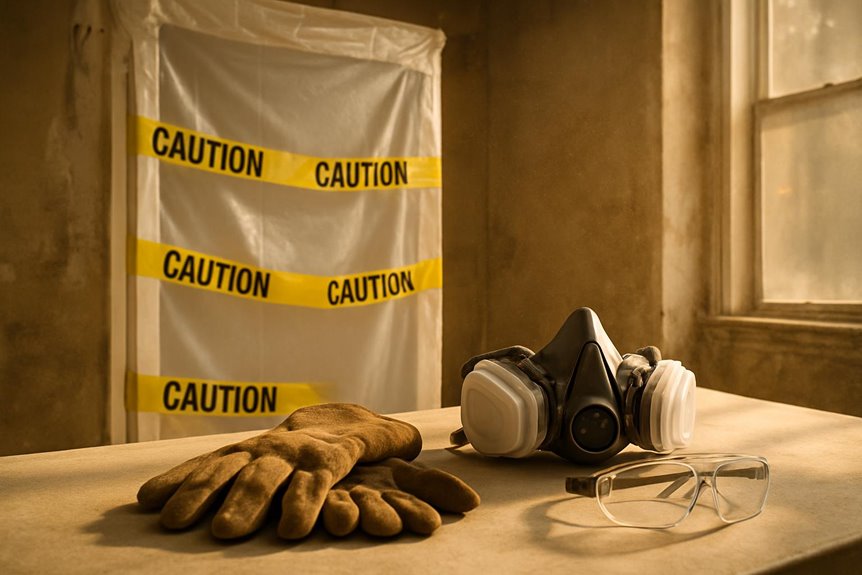
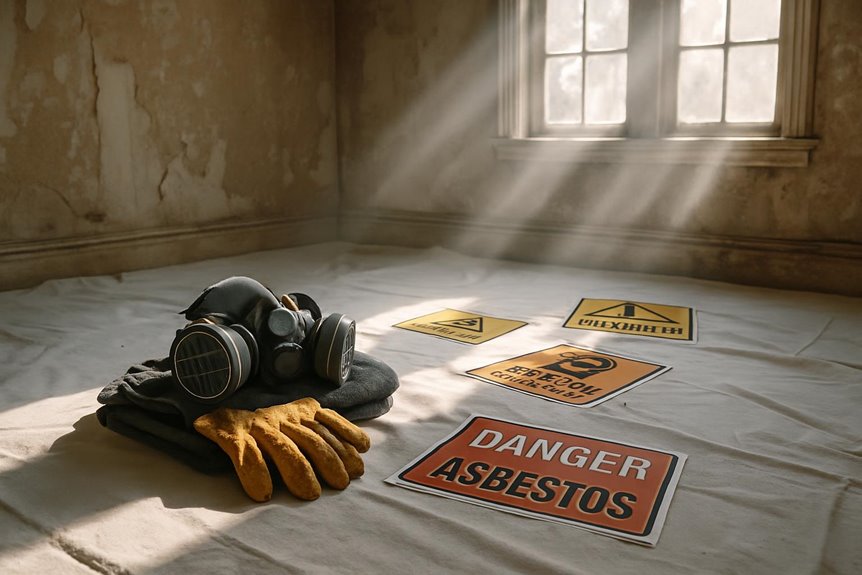
To guarantee safety during asbestos handling, having the right protective gear is essential. Proper equipment not only safeguards health but also promotes peace of mind. Key items include durable protective clothing and high-quality respirator masks. These components work together to minimize exposure to harmful asbestos fibers.
Safety Gear
Description
Importance
Protective Clothing
Covers the body completely
Prevents fiber contact
Respirator Masks
Filters out airborne particles
Guarantees clean air intake
Safety Goggles
Protects eyes from irritants
Prevents eye exposure
Investing in these essential items creates a safer environment, allowing individuals to focus on the task at hand without unnecessary worry about potential hazards.
Proper Removal Techniques
Having the appropriate safety gear lays the groundwork for effective asbestos removal. Following established safety protocols is vital to guarantee a safe and successful project.
Several removal methods can be employed, each requiring careful execution.
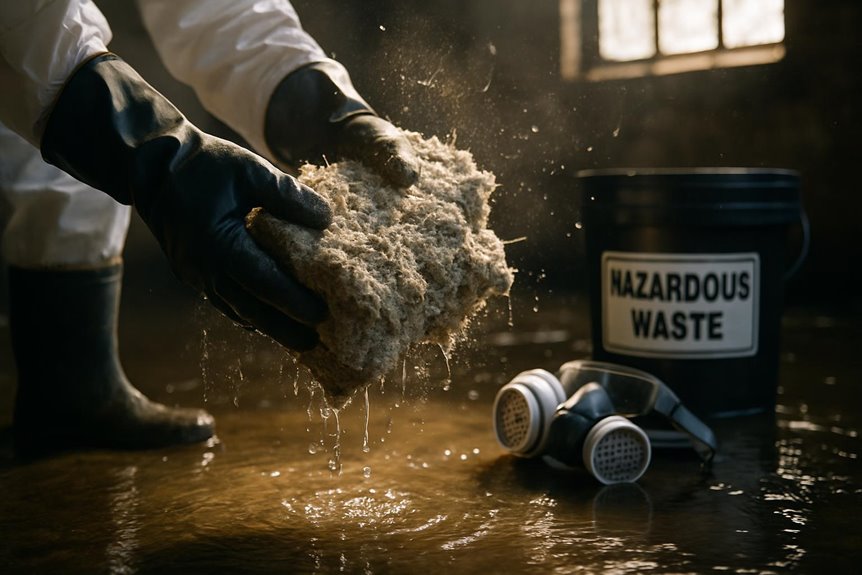
Wet removal: This technique minimizes dust by dampening asbestos material before removal.
Hand tools: Using non-powered tools helps reduce the risk of airborne fibers.
Controlled environment: Removing asbestos in a sealed area can prevent contamination of surrounding spaces.
Personal protective equipment (PPE): Wearing masks and protective clothing is essential for worker safety.
Containment and Cleanup Procedures
When removing asbestos, establishing effective containment areas is critical to prevent the spread of harmful fibers.
Following proper cleanup techniques guarantees that any residual material is safely managed, while adhering to waste disposal guidelines is important for protecting the environment and public health.
Understanding these procedures is fundamental for anyone involved in the asbestos removal process.
Establishing Containment Areas
Establishing containment areas is essential for ensuring safety during asbestos removal, as it prevents harmful fibers from spreading to uncontaminated spaces. Properly constructed containment barriers are crucial in this process, utilizing effective sealing methods to minimize exposure.
To create secure containment areas, consider the following tips:
Use plastic sheeting to create physical barriers around the work area.
Seal all windows and doors with tape to prevent air leaks.
Establish a decontamination zone for workers to safely exit the area.
Employ negative air pressure units to filter any airborne particles.
Proper Cleanup Techniques
Effective cleanup techniques are vital for guaranteeing that asbestos removal sites are thoroughly decontaminated. During the asbestos remediation process, it is essential to implement safe handling practices to prevent any residual contamination.
Workers should don appropriate personal protective equipment (PPE) and use wet methods to minimize dust generation. After removing asbestos materials, all surfaces must be wiped down with damp cloths to capture any lingering fibers. A HEPA vacuum should be employed for final cleanup, confirming all areas are meticulously cleared.
Additionally, containment barriers should remain in place until all cleanup is verified, ensuring that no airborne particles escape. Following these procedures not only protects the workers but also guarantees a safer environment for everyone involved in the project.
Waste Disposal Guidelines
Proper waste disposal is essential in the asbestos removal process to secure safety and compliance with regulations.
Effective waste management practices guarantee that hazardous materials are handled appropriately. Homeowners must be aware of the following guidelines:
Seal all asbestos waste in durable, labeled bags to prevent contamination.
Transport materials to designated disposal sites that accept hazardous waste.
Follow local regulations regarding asbestos disposal, as they may vary by area.
Document the disposal process to maintain an accurate record and secure compliance.
Disposal Guidelines for Asbestos Materials
In regard to disposing of asbestos materials, following specific guidelines is essential to guarantee safety and compliance with regulations. Homeowners should be aware of local hazardous waste regulations and verify proper disposal methods are used. While asbestos recycling options are limited, some facilities may accept non-friable asbestos materials, promoting environmental responsibility.
Step
Action Required
Additional Notes
1. Identify Waste
Classify asbestos materials
Distinguish between friable and non-friable
2. Seal Materials
Use double-layer plastic bags
Verify bags are securely sealed
3. Label Clearly
Mark bags with “Asbestos”
Include warning symbols
4. Transport Safely
Use a covered vehicle
Minimize disturbance to materials
5. Dispose Properly
Deliver to a licensed facility
Confirm acceptance before transport
Post-Removal Inspection and Testing
After asbestos removal, a thorough post-removal inspection is essential to guarantee safety.
This involves a visual inspection checklist to identify any remaining materials and air quality testing to confirm that fibers are not present in the environment.
Visual Inspection Checklist
A thorough visual inspection checklist is vital for guaranteeing the safety and effectiveness of asbestos removal projects.
Following removal, it’s essential to identify any remaining hazards using visual indicators and appropriate inspection tools. A comprehensive checklist can help maintain safety standards and provide peace of mind.
Look for visible dust or debris from the removal area.
Inspect surfaces for signs of asbestos-containing materials that may have been missed.
Check for proper sealing and containment to prevent future exposure.
Confirm that all removal equipment has been properly cleaned and stored.
Air Quality Testing
Following a thorough visual inspection, the next step in ensuring a safe environment post-asbestos removal involves air quality testing.
This critical process measures airborne contaminants and identifies any lingering indoor pollutants that may pose health risks. Professionals typically conduct tests using specialized equipment to detect asbestos fibers and other hazardous materials.
The results provide a clear picture of the air quality, helping homeowners understand if their living spaces are safe for occupancy.
It’s essential to take this step seriously, as undetected pollutants can lead to long-term health issues. Ensuring good air quality post-removal not only fosters a sense of security but also empowers individuals to reclaim their homes with confidence and peace of mind.
Hiring Professional Asbestos Removal Services
When examining the complexities of asbestos removal, how can one guarantee safety and compliance with regulations? Hiring professional asbestos removal services is a vital step in ensuring that the process is handled correctly.
Here are some essential aspects to reflect upon:
Cost Considerations: Understand the potential expenses involved, including inspection, removal, and disposal fees.
Contractor Qualifications: Verify that the contractor holds necessary certifications and licenses specific to asbestos abatement.
Experience and Reputation: Look for contractors with a proven track record and positive customer feedback.
Safety Protocols: Inquire about the safety measures and protocols they implement to protect both workers and residents.
Frequently Asked Questions
How Can I Tell if My Home Has Asbestos?
To determine if a home contains asbestos, homeowners should consider professional asbestos testing and comprehensive home inspections. These methods provide reliable insights into potential hazards, ensuring informed decisions regarding safety and property maintenance.
What Should I Do if I Disturb Asbestos?
If asbestos is disturbed, immediate action is essential. One should prioritize asbestos identification and follow emergency procedures, which typically involve evacuating the area, contacting professionals, and ensuring safety to prevent inhalation of harmful fibers.
Is It Safe to Live in a House With Asbestos?
Living in a house with asbestos can pose serious health risks if disturbed. Asbestos safety during home restoration is essential; professionals recommend evaluating the situation and taking necessary precautions to guarantee a safe living environment.
Can I Remove Asbestos Myself?
The question of DIY asbestos removal raises significant concerns. Many individuals underestimate removal risks, potentially exposing themselves to harmful fibers. Professional assistance is strongly advised to guarantee safety and compliance with regulations, preserving health and well-being.
What Are the Health Effects of Asbestos Exposure?
Asbestos exposure poses significant health risks, including respiratory issues and various cancers. Symptoms often manifest years later, making awareness crucial. Understanding these risks empowers individuals to make informed decisions regarding their environments and personal safety.
Conclusion
In conclusion, tackling asbestos removal during home restoration requires careful planning and strict adherence to safety protocols. By understanding the risks, preparing adequately, and utilizing the right protective gear, homeowners can greatly reduce health hazards. Whether opting for DIY methods or hiring professionals, ensuring proper containment and disposal is essential for a safe living environment. Ultimately, prioritizing safety and thoroughness will lead to a successful restoration while safeguarding the well-being of everyone involved.
Asbestos removal is a crucial aspect of home restoration that requires careful planning and execution. The inherent risks associated with asbestos exposure necessitate a methodical approach to guarantee safety for all involved. This process includes identifying asbestos-containing materials, utilizing protective gear, and employing safe removal techniques. Understanding the nuances of each step is fundamental for successful remediation. The following guide provides important tips to navigate this complex task effectively.
Key Takeaways
Always conduct asbestos testing before starting home restoration to identify and assess the presence of hazardous materials.
Seal off affected areas securely to prevent the spread of asbestos fibers during removal.
Use appropriate Personal Protective Equipment (PPE), including respirators and disposable coveralls, to safeguard against exposure.
Employ safe removal techniques, such as wetting materials, to minimize airborne fibers and contamination.
Engage certified professionals for safe asbestos removal and ensure compliance with local regulations and safety protocols.
Understanding Asbestos and Its Risks
Although asbestos was once extensively utilized in construction and insulation materials due to its heat-resistant properties, its dangers became apparent as research revealed the serious health risks associated with exposure.
There are several asbestos types, including chrysotile, amosite, and crocidolite, each posing unique hazards. Prolonged inhalation of asbestos fibers can lead to severe health effects such as asbestosis, lung cancer, and mesothelioma.
These diseases often manifest years after exposure, raising concerns for those who may have unknowingly encountered asbestos in their homes or workplaces. Understanding the risks associated with various asbestos types is essential for individuals seeking to maintain their freedom from health complications.
Safe asbestos removal is crucial to minimize the risk of exposure during home restoration projects. Awareness and education empower homeowners to make informed decisions regarding potential asbestos-related hazards.
Preparing Your Home for Asbestos Removal
Before commencing asbestos removal, it is essential to assess the presence of asbestos in the home to determine the extent of the issue.
Affected areas should be securely sealed off to prevent contamination and protect the health of residents and pets.
Additionally, notifying all occupants about the removal process is vital for ensuring safety and preparedness during this critical time.
Assess Asbestos Presence
How can homeowners effectively determine the presence of asbestos in their residences?
To assess potential asbestos exposure, several asbestos testing methods are available. Homeowners can collect samples from suspected materials, such as insulation or flooring, and send them to a certified laboratory for analysis. It is essential to follow safety protocols during sample collection to minimize health risks.
Additionally, engaging a professional asbestos inspector can provide a thorough health risk assessment, identifying areas of concern and recommending appropriate actions. Understanding the presence of asbestos is imperative for ensuring a safe living environment.
Seal Off Affected Areas
To guarantee safety during asbestos removal, it is essential for homeowners to seal off affected areas effectively.
Implementing robust containment strategies is important to prevent asbestos fibers from spreading throughout the home. This involves using plastic sheeting to cover doorways, windows, and ventilation ducts, thereby creating a secure barrier around the work zone.
Additionally, ensuring proper workspace ventilation is crucial. Homeowners should use exhaust fans to direct air outside while minimizing airflow into unsealed areas.
These measures not only protect residents but also provide a controlled environment for the removal process. By taking the time to seal off affected areas properly, homeowners can greatly reduce health risks associated with asbestos exposure during restoration efforts.
Notify Residents and Pets
Once the affected areas have been sealed off, it is important for homeowners to notify all residents and pets about the upcoming asbestos removal. Clear communication guarantees everyone understands the potential risks and safety measures being implemented. This includes informing residents about the timeline and any necessary precautions they should take during the removal process. Additionally, pet safety must be prioritized; pets should be relocated to a safe environment away from the work zone.
Notification Type
Details
Importance
Resident Notifications
Inform about removal schedule
Guarantees awareness & safety
Pet Safety
Relocate pets during work
Protects health of pets
Communication
Use clear language
Avoids confusion
Emergency Contacts
Provide contact information
Quick response if needed
Essential Personal Protective Equipment (PPE)
When handling asbestos removal, the use of appropriate personal protective equipment (PPE) is vital for ensuring safety.
Respirators and masks are essential to filter airborne particles, while protective clothing provides a barrier against contamination.
Understanding the specific requirements for PPE can greatly reduce health risks associated with asbestos exposure.
Respirators and Masks
Effective respiratory protection is vital for anyone involved in asbestos removal, as even minimal exposure to asbestos fibers can pose serious health risks.
Various respirator types are available to guarantee adequate protection, including N95 masks and P100 respirators, which are designed to filter out hazardous particles effectively.
It is essential to adhere to mask standards set by regulatory bodies to confirm the respirator’s efficacy. Users should secure a proper fit to prevent any leakage, as improper use can compromise safety.
Regular maintenance and inspections of these devices are also necessary to make sure they remain functional.
Protective Clothing Requirements
Protective clothing serves as a critical barrier against asbestos exposure during removal projects. Adhering to established safety standards is vital when selecting appropriate protective gear.
Recommended attire includes disposable coveralls, gloves, and shoe covers, which help prevent contamination. The coveralls should be tightly fitted at the wrists and ankles to minimize any gaps where asbestos fibers could enter.
Additionally, it is advisable to use hoods or head coverings that are compatible with the coveralls to guarantee full coverage. When working in high-risk areas, double-layering protective gear may provide an extra layer of security.
Safe Removal Techniques for Asbestos
Although the process of asbestos removal can seem intimidating, employing safe techniques is vital for minimizing health risks.
Professionals recommend utilizing proven asbestos abatement techniques, which include wetting materials before removal to reduce airborne fibers. This practice helps to bind the asbestos, making it less likely to disperse during the process.
Additionally, implementing safe handling practices guarantees that workers minimize their exposure. This involves using proper tools, such as HEPA-filtered vacuums, and sealing materials in double bags to prevent contamination.
It’s also important to establish a containment area to limit access and protect others in the vicinity.
Proper Disposal Methods for Asbestos Materials
How can one guarantee the safe disposal of asbestos materials once they have been removed?
Adhering to local asbestos disposal regulations is essential. These regulations dictate specific procedures for handling and transporting asbestos waste to maintain public safety and environmental protection. It is vital to encapsulate the asbestos materials securely in leak-proof bags and label them as hazardous waste.
Utilizing licensed hazardous waste management services is recommended, as they possess the expertise and resources to dispose of asbestos in compliance with regulations. This not only assures safe disposal but also minimizes the risk of contamination.
Individuals should research local disposal sites to ascertain they are equipped to handle asbestos, thereby facilitating a responsible and compliant disposal process.
Post-Removal Cleanup and Air Quality Testing
Once asbestos materials have been removed, ensuring a thorough post-removal cleanup and conducting air quality testing are critical steps in safeguarding health and safety.
Neglecting these actions can lead to serious post-removal consequences, putting occupants at risk.
To effectively manage this process, consider the following steps:
Thorough Cleaning: Remove any residual dust and debris using specialized vacuums equipped with HEPA filters to capture microscopic asbestos fibers.
Surface Testing: Clean all surfaces, including walls, floors, and ducts, to eliminate any remaining contamination.
Air Quality Assessment: Engage a certified professional to conduct air quality testing, ensuring that the environment is safe for reoccupation.
When to Call in Professional Asbestos Removers
Determining when to call in professional asbestos removers can be vital for maintaining safety and compliance with regulations, especially in residential or commercial settings where asbestos exposure poses significant health risks.
Homeowners should seek professional help when asbestos materials are damaged, disturbed, or if they are unsure about their safety. Professionals possess the necessary qualifications and experience to assess and handle asbestos safely, ensuring adherence to stringent asbestos regulations.
If renovations involve potential asbestos exposure or if an inspection indicates the presence of asbestos, engaging certified experts is essential.
Frequently Asked Questions
Can I Remove Asbestos Materials Myself Without Professional Help?
Removing asbestos materials independently poses significant DIY asbestos risks, including exposure to harmful fibers. Additionally, legal considerations must be addressed, as regulations often require professional handling to guarantee safety and compliance with local laws.
How Long Does the Asbestos Removal Process Typically Take?
The asbestos removal timeline varies based on project size and complexity, typically ranging from a few days to several weeks. Adhering to safe removal practices guarantees efficient, effective results while minimizing health risks during the process.
What Are the Signs of Asbestos Exposure?
Signs of asbestos exposure include persistent coughing, shortness of breath, and chest pain. Individuals experiencing these asbestos symptoms face heightened exposure risks, emphasizing the importance of early detection and medical consultation to address potential health concerns effectively.
Is It Safe to Live in a House During Removal?
The safety of living in a house during asbestos removal often necessitates temporary relocation. Asbestos safety protocols dictate minimizing exposure, ensuring a healthier environment while remediation occurs, ultimately prioritizing the well-being of residents during the process.
How Much Does Professional Asbestos Removal Cost?
Professional asbestos removal costs vary widely, with asbestos removal pricing generally ranging from $1,500 to $3,000. Obtaining multiple removal service estimates can guarantee homeowners make informed decisions while balancing safety and budget considerations.
Conclusion
To summarize, prioritizing safety during asbestos removal is essential for successful home restoration. By understanding the risks, preparing adequately, and employing the right protective measures, homeowners can minimize exposure to hazardous materials. Utilizing certified professionals for testing, removal, and disposal guarantees compliance with safety regulations and promotes a healthier living environment. Ultimately, a cautious and informed approach will not only safeguard personal well-being but also enhance the integrity of the restoration project.
After flooding, the risk of asbestos exposure can increase markedly, particularly in older buildings. It’s essential to approach the situation with care and knowledge. Understanding the importance of professional assessment and proper safety protocols is crucial. From wearing the right protective gear to safely isolating and disposing of hazardous materials, each step plays a crucial role in ensuring safety. So, what are the recommended procedures for handling this serious issue effectively?
Key Takeaways
Engage professionals for asbestos testing to assess flood-damaged areas, especially in older buildings built before the 1980s.
Wear appropriate personal protective equipment, including HEPA respirators, disposable coveralls, gloves, and safety goggles during removal.
Identify and isolate asbestos materials by sealing off affected areas with plastic sheeting and ensuring proper ventilation.
Wet asbestos-containing materials before removal to minimize airborne fibers and reduce exposure risks.
Dispose of asbestos waste according to local regulations, using leak-tight containers and designated disposal sites to prevent contamination.
Assessing Asbestos Risk in Flood-Damaged Areas
How can one accurately assess the risk of asbestos in flood-damaged areas? Understanding the potential hazards is essential for homeowners seeking peace of mind.
First, it’s important to recognize that flood damage can disturb materials containing asbestos, especially in older buildings. Engaging professionals for asbestos testing is the most reliable way to evaluate the situation. They can identify materials that may be hazardous and determine the level of risk.
Homeowners should also consider the age of their property; structures built before the 1980s often contain asbestos. Being proactive about testing and remediation can empower individuals to make informed decisions, ensuring their safety and freedom from potential health risks associated with asbestos exposure in flood-affected environments.
Wearing Appropriate Personal Protective Equipment (PPE)
When tackling asbestos removal, wearing appropriate personal protective equipment (PPE) is essential for ensuring safety.
Adhering to PPE guidelines helps protect individuals from harmful asbestos fibers during the removal process. Here are four important PPE types to evaluate:
Respirators – A high-efficiency particulate air (HEPA) filter respirator is crucial for filtering out harmful particles.
Protective Clothing – Disposable coveralls prevent asbestos fibers from contaminating personal clothing.
Gloves – Heavy-duty, disposable gloves shield hands from direct contact with asbestos materials.
Eye Protection – Safety goggles protect eyes from irritants and potential exposure.
Identifying and Isolating Asbestos Materials
After ensuring proper personal protective equipment (PPE) is in place, the next step involves identifying and isolating asbestos materials. Homeowners can utilize various asbestos identification techniques, such as visual inspections and laboratory testing of suspected materials.
It’s essential to look for common sources, including insulation, tiles, and roofing. Once identified, effective isolation strategies must be implemented. This may include sealing off the area with plastic sheeting and ensuring proper ventilation to minimize exposure. Additionally, asbestos identification techniques can help pinpoint the presence of hazardous materials more accurately.
Safe Removal Procedures for Asbestos-Containing Materials
While the thought of removing asbestos-containing materials may seem intimidating, following established safe removal procedures can greatly reduce risks.
Adopting effective removal techniques is essential for guaranteeing safety. Here are four key steps to evaluate:
Conduct Asbestos Testing: Before starting, verify that materials are tested for asbestos presence.
Wear Protective Gear: Use appropriate personal protective equipment, including masks and gloves, to minimize exposure.
Seal the Area: Contain the work area by sealing it off with plastic sheeting to prevent asbestos fibers from spreading.
Wet the Materials: Use water to dampen asbestos materials before removal, which helps reduce airborne fibers.
Proper Disposal Methods for Asbestos Waste
Once asbestos-containing materials have been safely removed, the next step is ensuring that the waste is disposed of properly.
Adhering to local asbestos regulations is essential for safety and environmental health. First, the waste should be securely packaged in leak-tight containers to prevent any fibers from escaping.
Next, it is important to label these containers clearly to indicate the hazardous contents. Transporting the waste requires caution; it is advisable to use designated waste disposal sites equipped for asbestos management.
By following proper waste management procedures, individuals can prevent exposure risks and contribute to community safety.
Engaging Professional Asbestos Removal Services
Engaging professional asbestos removal services is a crucial step for homeowners facing the challenges of asbestos-containing materials.
These experts guarantee compliance with asbestos regulations, safeguarding the home and its inhabitants.
Here are four key reasons to hire professionals:
Expertise: Trained specialists possess the knowledge to identify and manage asbestos safely.
Professional Certifications: Certified teams guarantee adherence to local and federal guidelines, reducing legal risks.
Risk Mitigation: Professionals use specialized equipment and techniques, minimizing exposure during removal.
Proper Disposal: Experts handle the safe disposal of asbestos waste, preventing environmental contamination. Additionally, they follow essential steps for safe removal to ensure a thorough and compliant process.
Frequently Asked Questions
How Can I Tell if My Home Had Asbestos Before Flooding?
To determine if a home contained asbestos prior to flooding, individuals can utilize asbestos identification methods, such as examining historical building materials or consulting professionals, ensuring peace of mind regarding safety and home integrity.
What Should I Do if I Suspect Asbestos During Cleanup?
If asbestos is suspected during cleanup, it’s essential to prioritize safety. Conduct asbestos testing to confirm its presence, and take appropriate cleanup precautions, ensuring a safe environment for everyone involved in the restoration process.
Can I Remove Asbestos Myself if It’s Not Damaged?
When asbestos is undamaged, individuals might consider removing it themselves. Nevertheless, proper asbestos identification and safe handling techniques are essential to minimize health risks. Seeking professional assistance is often the safest approach for peace of mind.
How Do I Check Local Regulations for Asbestos Removal?
To check local regulations for asbestos removal, individuals should consult their local government websites or health departments. These resources provide essential asbestos regulations and local guidelines, ensuring safe practices while respecting personal freedom and responsibility.
What Are the Health Risks of Asbestos Exposure After Flooding?
After flooding, asbestos exposure may lead to severe health risks, including respiratory issues, lung cancer, and asbestosis. Recognizing asbestos symptoms promptly can help mitigate the effects of flood damage, ensuring a safer living environment.
Conclusion
In the aftermath of flooding, prioritizing safety during asbestos removal is vital. By evaluating risks, utilizing the right protective gear, and following proper procedures, individuals can mitigate exposure to harmful fibers. Remember, engaging certified professionals not only guarantees compliance with regulations but also brings peace of mind. By taking these careful steps, homeowners can confidently navigate the challenges of asbestos removal, safeguarding their health and that of their loved ones in the recovery process.
Floods can expose hidden dangers, particularly asbestos. Safe removal is important to protect workers and the surrounding community. Identifying asbestos-containing materials before beginning cleanup is essential. Additionally, employing protective measures during the removal process helps minimize risks. Proper disposal is equally important to guarantee compliance with regulations. Understanding these recommended procedures is critical for effective and safe asbestos management in flood-affected areas. What are the specific steps involved in each of these practices?
Key Takeaways
Conduct thorough asbestos risk assessments before starting removal to identify potential hazards in flood-affected materials.
Utilize appropriate personal protective equipment (PPE) such as respirators and gloves to minimize exposure during removal.
Implement wet removal techniques to suppress airborne asbestos fibers while handling contaminated materials.
Ensure proper disposal of asbestos waste in compliance with local regulations to prevent exposure and environmental contamination.
Maintain continuous air monitoring to ensure a safe environment for workers and occupants throughout the removal process.
Assessing Asbestos Risk Before Cleanup
Evaluating the risk of asbestos presence is an important first step before any cleanup efforts can commence. Proper risk evaluation involves a thorough understanding of the building materials and their potential asbestos content. Implementing effective testing procedures, such as air sampling and bulk material analysis, is vital to identify hazardous exposure levels. These assessments not only inform stakeholders about the safety of the environment but also guide the appropriate response strategies. Additionally, following established asbestos abatement practices can significantly reduce the risk of exposure during cleanup activities. It is crucial to understand that asbestos removal must be conducted by trained professionals to ensure safety and compliance with regulations.
Implementing Protective Measures During Removal
When asbestos removal is undertaken, implementing protective measures is essential to secure the safety of workers and occupants. This involves utilizing appropriate protective gear and employing effective removal techniques to minimize exposure to hazardous materials. Key measures include the use of respirators, disposable coveralls, and gloves, assuring that all personnel are adequately trained in safe practices.
Protective Gear
Removal Techniques
Additional Safety Measures
Respirators
Wet removal
Air monitoring
Disposable coveralls
Encapsulation
Decontamination stations
Gloves
Negative pressure enclosures
Signage and barriers
Safety goggles
HEPA vacuum
Training and drills
Hard hats
Manual removal
Emergency response plans
These precautions help secure a safer environment during the asbestos removal process.
Ensuring Proper Disposal and Compliance
Guaranteeing proper disposal and compliance with regulations is critical to the safe management of asbestos removal projects. Adhering to disposal regulations is essential to protect public health and the environment during and after floods.
Waste management procedures must include the secure containment of asbestos materials, using approved containers, and labeling them clearly to prevent accidental exposure. It is important for contractors to familiarize themselves with local, state, and federal guidelines to avoid penalties and guarantee safe handling of hazardous waste.
Additionally, proper documentation of disposal activities is necessary to maintain transparency and accountability. By following these recommended approaches, individuals and organizations can promote safety and contribute to effective asbestos management, allowing for greater freedom and peace of mind in affected communities.
Frequently Asked Questions
How Can I Identify Asbestos-Containing Materials in My Home?
To identify asbestos-containing materials, homeowners should consider professional asbestos testing services. Material identification can be conducted through visual inspection, focusing on common areas such as insulation, flooring, and roofing, ensuring a thorough assessment of potential hazards.
What Personal Protective Equipment Is Recommended for Asbestos Removal?
When removing asbestos, it is essential to wear proper personal protective equipment. Recommended items include asbestos suits for full-body protection and respiratory protection, such as masks or respirators, to safeguard against inhalation of harmful fibers.
Can I Remove Asbestos Myself During a Flood?
Removing asbestos oneself during a flood poses significant risks. Asbestos safety protocols are critical, and DIY removal often lacks the necessary expertise and protective measures, potentially endangering health. Professional assistance is strongly recommended to guarantee safety.
What Should I Do if I Accidentally Disturb Asbestos?
If asbestos is accidentally disturbed, the individual should initiate emergency response procedures immediately, prioritizing safety. They must avoid further exposure, evacuate the area, and contact professionals to assess health risks and manage the situation effectively.
Are There Specific Regulations for Asbestos Removal After Flooding?
Asbestos regulations vary by region, especially after flooding. Compliance with flood safety guidelines is essential, ensuring proper assessment and removal procedures to protect public health and the environment while maintaining individual freedom in decision-making.
Conclusion
To sum up, safe asbestos removal during floods is vital for protecting public health and worker safety. By conducting thorough risk assessments, implementing effective protective measures, and ensuring compliant disposal methods, the risks associated with asbestos exposure can be greatly reduced. Adhering to these recommended practices not only safeguards individuals but also promotes a more efficient and responsible cleanup process. Ultimately, prioritizing safety and compliance in asbestos removal is essential in the aftermath of flooding events.