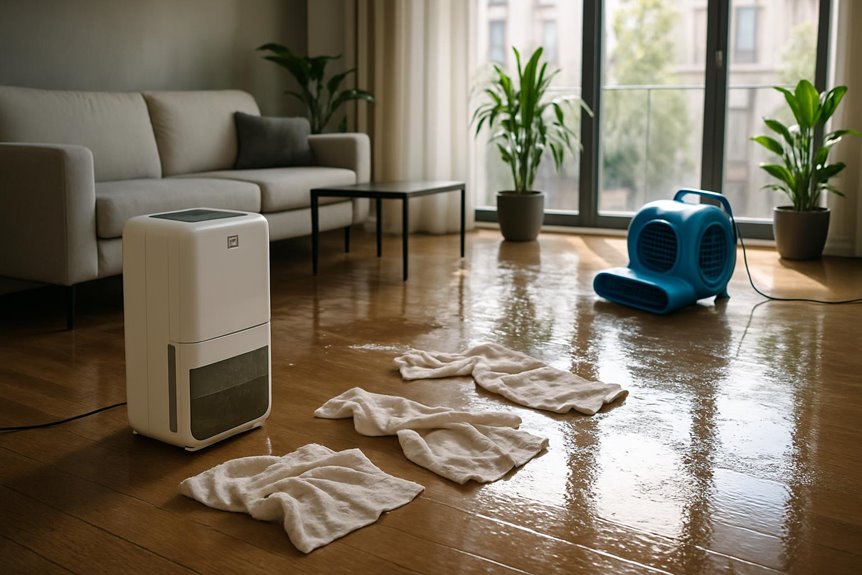
After flooding, mold can pose serious health risks. Proper removal is essential for safety and to prevent further damage. There are several critical steps to take, starting with evaluating the extent of the mold growth and ensuring the right safety gear is used. Knowing how to proceed can make a significant difference. The following tips will guide homeowners through the process, making it manageable and effective. What comes next might surprise you.
Key Takeaways
Conduct a thorough visual inspection and identify areas with discoloration or musty odors to locate mold growth after flooding.
Use dehumidifiers and fans to dry the affected areas quickly, keeping humidity levels below 60% to prevent mold.
Wear protective gear, including gloves and a respirator, to ensure safety while cleaning mold-affected materials.
Remove and dispose of heavily contaminated materials according to local regulations to minimize the spread of mold spores.
Regularly monitor moisture and humidity levels, aiming for 30-50%, to maintain a healthy environment post-cleanup.
Assess the Extent of Mold Growth
How can one effectively determine the severity of mold growth in a home? To assess mold growth, homeowners can utilize mold identification techniques and growth assessment methods.
First, a visual inspection is vital; look for discolorations or spots on walls, ceilings, and hidden areas like behind appliances. Next, consider the smell—musty odors often indicate a problem. Testing kits are also available, allowing individuals to collect samples for laboratory analysis. It is important to note that certain types of black mold can pose serious health risks to occupants.
Additionally, measuring moisture levels can help gauge the environment’s suitability for mold proliferation. Homeowners should remain vigilant, as understanding the extent of mold growth is important for effective remediation. Implementing comprehensive mold remediation strategies ensures that all mold is effectively removed and prevents future growth.
Ultimately, a proactive approach empowers individuals to reclaim their space and guarantee a healthy living environment.
Ensure Proper Safety Gear Is Worn
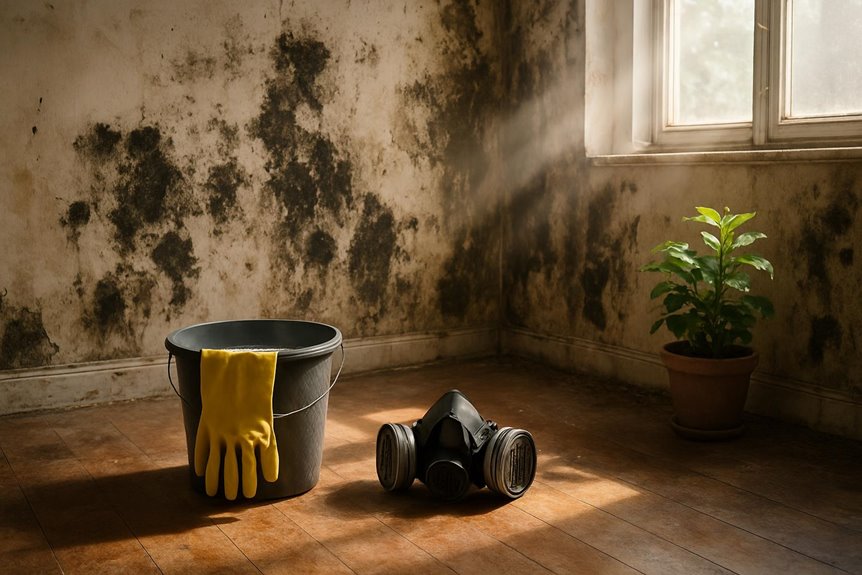
When tackling mold removal, it’s vital to prioritize safety by wearing appropriate protective gear. Essential equipment includes gloves, goggles, and respiratory protection to shield against harmful spores. Additionally, choosing the right clothing and footwear can help prevent contamination and guarantee a safer cleanup process. Always remember that sewage cleanup can introduce various health hazards, making protective measures even more critical. It’s also important to understand that mold remediation involves not only removal but also preventing future growth by addressing moisture issues.
Essential Protective Equipment
Proper safety gear is essential for anyone tackling mold removal, as even a small exposure can lead to health issues.
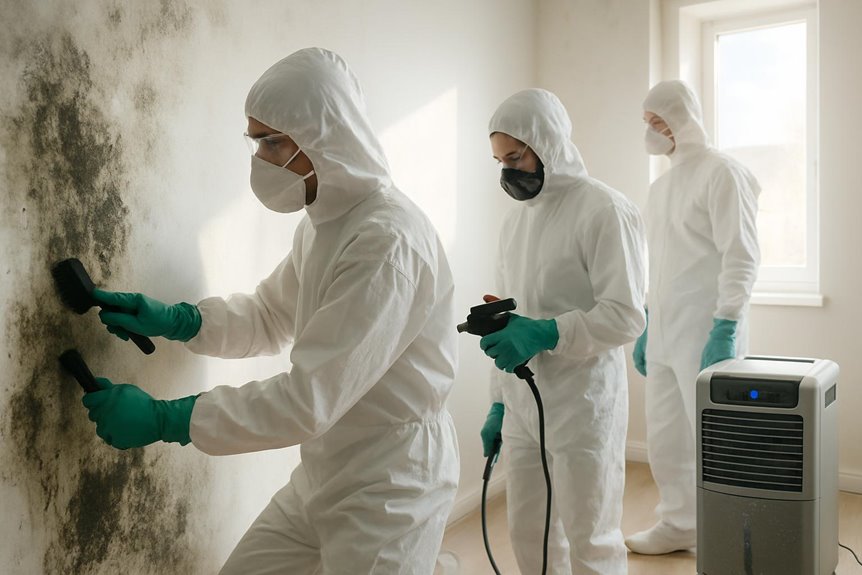
To effectively combat mold, individuals should employ various protective gear types. A well-fitted respirator is vital for preventing inhalation of spores, while gloves and goggles shield the skin and eyes from contact with mold and cleaning agents. Additionally, professional black mold abatement can ensure that all safety measures are adhered to and provide expert guidance during the process. Disposable coveralls can help keep clothing free from contamination. Before starting, it’s wise to familiarize oneself with mold identification techniques to understand the severity of the problem. Moreover, mold remediation specialists can provide valuable insights and assistance in ensuring a thorough and safe removal process.
Respiratory Protection Importance
A well-fitted respirator plays a key role in mold removal efforts, as it provides essential protection against inhaling harmful spores. Mold exposure can greatly impact respiratory health, making it vital to prioritize safety when tackling such challenges.
Without proper respiratory protection, individuals may face short-term symptoms and long-term health complications.
Respirators filter out airborne contaminants, reducing the risk of inhalation.
They help maintain clear breathing pathways, fostering a safer work environment.
Enhanced respiratory protection empowers individuals to focus on effective mold removal without health concerns.
Investing in a quality respirator is not just a precaution; it’s a commitment to safeguarding one’s well-being during mold remediation. Understanding expert mold remediation techniques can further enhance the safety and effectiveness of the cleanup process. Additionally, proper ventilation is essential to minimize moisture accumulation and facilitate a thorough drying process.
Keeping respiratory health in check can lead to a more efficient and successful cleanup process.
Clothing and Footwear Guidelines
Although many might overlook the importance of appropriate clothing and footwear during mold removal, adhering to specific guidelines is essential for ensuring safety and minimizing exposure.
Wearing mold resistant fabrics is highly recommended, as these materials can help reduce the risk of mold spores adhering to clothing. Long sleeves and pants should be prioritized to cover as much skin as possible.
In terms of footwear, opting for waterproof boots can prevent water exposure and mold contamination. After working, proper footwear sanitization is vital; cleaning shoes with a disinfectant prevents spreading mold to clean areas.
All in all, taking these precautions not only protects personal health but also enhances the effectiveness of mold removal efforts, allowing individuals to work freely and confidently.
Remove Affected Materials
Removing affected materials is a crucial step in the mold remediation process. Once flooding has occurred, mold can quickly take hold in porous items such as drywall, carpeting, and insulation. It is essential to understand that mold spores can spread rapidly if not addressed promptly.
These materials should be removed and disposed of using proper disposal techniques to prevent further contamination.
To effectively manage this process, consider the following:
Identify and prioritize materials that show significant mold growth or water damage.
Opt for mold resistant materials when replacing items to reduce future risks.
Follow local regulations for disposing of contaminated materials to guarantee safety and compliance.
Effective cleaning solutions play a pivotal role in the mold remediation process. Selecting the right cleaning agents is essential for thoroughly eliminating mold spores and preventing future growth.
For those who prefer environmentally friendly options, natural solutions such as vinegar, baking soda, and tea tree oil can be extremely effective. These alternatives not only combat mold but also minimize exposure to harsh chemicals.
When using these solutions, it’s vital to apply them generously to affected areas and allow adequate time for them to penetrate the mold. Additionally, scrubbing with a brush can help remove stubborn spores.
Ultimately, the choice of cleaning agents can greatly impact the success of mold removal efforts, empowering individuals to reclaim their spaces with confidence.
Control Humidity Levels
Controlling humidity levels is essential for preventing mold growth in any home.
Regular use of dehumidifiers, ensuring proper ventilation, and monitoring indoor temperatures can greatly reduce moisture in the air.
Use Dehumidifiers Regularly
Maintaining ideal humidity levels is essential for preventing mold growth in any household. Regular use of dehumidifiers can greatly contribute to effective humidity control, especially after flooding.
Homeowners should prioritize dehumidifier maintenance to guarantee these devices operate efficiently.
Keep humidity levels below 60% to inhibit mold proliferation.
Clean dehumidifiers regularly to maximize their effectiveness.
Monitor indoor humidity with a hygrometer for proactive adjustments.
Ensure Proper Ventilation
Humidity control goes hand in hand with proper ventilation, as both are essential for minimizing mold risks in indoor spaces.
Effective ventilation techniques can dramatically improve air circulation, helping to maintain a dry and healthy environment. Homeowners should open windows when weather permits, use exhaust fans in kitchens and bathrooms, and consider installing air vents or an energy recovery ventilator for enhanced airflow.
Additionally, strategically placing fans throughout the home can further promote air movement, reducing stagnant areas where moisture may accumulate.
Monitor Indoor Temperature
An effective way to combat mold growth is by closely monitoring indoor temperature, as it holds an important part in humidity levels.
Maintaining an ideal indoor climate is vital for mold prevention. Temperature regulation can help keep humidity in check, thereby reducing the chances of mold spores thriving. Homeowners should aim for a balance that discourages mold while promoting comfort.
Use a hygrometer to track humidity levels regularly.
Set thermostats to maintain a consistent temperature, ideally between 68°F and 72°F.
Confirm that heating and cooling systems are functioning properly to avoid temperature fluctuations.
Thoroughly Dry the Area
Ensuring the area is thoroughly dried is essential in the mold removal process. Proper drying techniques can greatly prevent mold growth, creating a healthier environment. Individuals should focus on using fans, dehumidifiers, and natural ventilation to achieve ideal moisture levels. Monitoring moisture measurement can help track progress effectively.
Drying Technique
Benefits
Recommended Equipment
Air Circulation
Reduces humidity quickly
Fans, open windows
Dehumidification
Extracts moisture
Dehumidifiers
Heat Application
Speeds up drying
Portable heaters
Monitor for Future Mold Growth
Regular monitoring for future mold growth is essential in maintaining a healthy indoor environment.
Implementing effective mold prevention strategies guarantees that previous efforts are not in vain. Long-term monitoring can help catch any signs of mold before it becomes a serious issue.
Check humidity levels regularly; aim for 30-50% for ideal conditions.
Inspect vulnerable areas, such as basements and bathrooms, at least once a month.
Consider using a moisture meter to detect hidden dampness behind walls or under carpets.
Frequently Asked Questions
How Long Does It Take for Mold to Grow After Flooding?
Mold growth timeline often begins within 24 to 48 hours after flooding. During the flood recovery process, it is vital to address moisture promptly to prevent extensive mold damage and guarantee a safe living environment.
Can I Remove Mold Without Professional Help?
Individuals often wonder about the feasibility of DIY mold solutions. With effective mold removal techniques, many can tackle minor infestations themselves, but extensive issues may require professional intervention for safety and thoroughness.
What Types of Materials Are Most Vulnerable to Mold?
Certain materials, such as wood surfaces and carpet fibers, are particularly vulnerable to mold growth. Their porous nature retains moisture, creating an ideal environment for mold to thrive if not properly managed and maintained.
Are There Any Natural Remedies for Mold Removal?
Natural remedies for mold removal include tea tree oil and vinegar solutions. These options are favored for being effective yet gentle, offering individuals a way to combat mold without harsh chemicals, promoting a healthier living environment.
How Can I Prevent Mold After a Flood?
To prevent mold after a flood, individuals should implement effective mold prevention strategies, including thorough drying, maintaining ventilation, and regular post-flood maintenance. These practices greatly reduce the risk of mold growth in affected areas.
Conclusion
To sum up, tackling mold after flooding is essential for maintaining a safe living environment. By evaluating the damage, wearing protective gear, and properly removing affected materials, individuals can effectively combat mold growth. Utilizing effective cleaning solutions and controlling humidity levels will further prevent future issues. Lastly, thorough drying and ongoing monitoring will guarantee that mold doesn’t return. With these steps, homeowners can take charge of their health and safety, creating a mold-free space for their families.
Post-flood cleanup can be a challenging task. It requires careful planning and execution to guarantee safety and effectiveness. Key techniques include evaluating damage, removing contaminated materials, and controlling moisture levels. Each step contributes significantly to restoring a safe environment. Understanding these methods can make a significant difference. What are the optimal strategies to follow during this process?
Key Takeaways
Assess and document damage thoroughly to prioritize cleanup efforts and support insurance claims.
Remove contaminated materials safely, separating salvageable items from those posing health risks.
Utilize dehumidifiers and enhance airflow to accelerate drying and control humidity levels effectively.
Clean and sanitize all surfaces using EPA-registered disinfectants and eco-friendly solutions to prevent mold growth.
Implement ventilation and air filtration strategies, including HEPA purifiers, to maintain air quality and monitor for mold resurgence.
Assessing the Damage and Safety Hazards
After a flood, evaluating the damage and safety hazards is essential for ensuring a safe cleanup process. A thorough damage assessment helps identify affected areas, such as structural integrity, electrical systems, and personal belongings. Understanding water damage restoration techniques can also aid in determining the most effective approach for repairs.
It is vital to document the extent of the damage for insurance purposes and future reference. Concurrently, a safety evaluation must be conducted to pinpoint potential hazards, including mold growth, hazardous materials, or unstable structures.
Wearing protective gear and being aware of slippery surfaces can mitigate risks during this phase. Additionally, understanding flood damage cleanup techniques can enhance the efficiency of the restoration process. By prioritizing these assessments, individuals can confidently move forward in their cleanup efforts, ensuring both personal safety and effective restoration of their spaces.
This approach fosters an empowered environment, allowing for informed decisions and a return to normalcy.
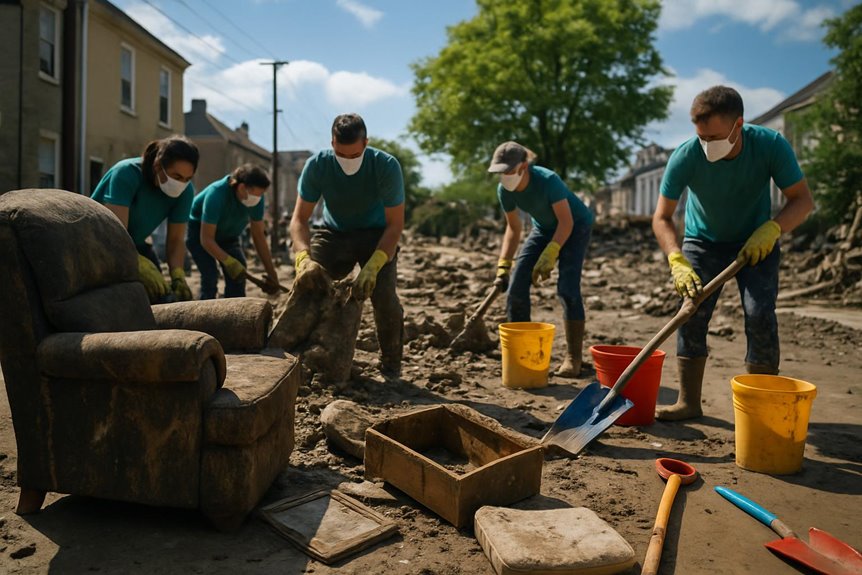
Removing Contaminated Materials
In the context of removing contaminated materials after a flood, identifying the affected areas is essential for effective cleanup. Ensuring safe disposal of these materials protects both health and the environment, while the use of protective gear keeps individuals safe during the process. Additionally, employing effective solutions for water damage restoration can significantly reduce the risk of mold growth. Utilizing expert flood cleanup services can also provide invaluable assistance in navigating the complexities of recovery.
Identify Affected Areas
A thorough assessment of the affected areas is essential in the aftermath of a flood, as it helps identify and remove contaminated materials that can pose health risks. Within the flood zone, a damage assessment reveals critical insights into which items need immediate attention. This process not only safeguards health but also prepares for effective recovery. Additionally, it is important to recognize that water damage emergencies require swift action to minimize long-term effects. Implementing effective strategies for water damage restoration can significantly enhance the recovery process.
Area Affected
Contaminated Materials
Basement
Carpet, drywall
First Floor
Furniture, insulation
Garage
Tools, stored items
Safe Material Disposal
Once the affected areas have been identified and assessed, the next step involves the safe disposal of contaminated materials.
It is vital to separate items that can be salvaged from those that pose health risks. Adhering to local recycling guidelines guarantees that reusable materials are processed responsibly. Proper water damage assessment is crucial to determine which items can be salvaged and which must be discarded.
Items such as wood, metal, and certain plastics may be recycled, while others, like damaged electronics or textiles, may be classified as hazardous waste and require special handling.
Communities often provide specific drop-off locations for hazardous materials, and it’s important to consult local regulations. Additionally, effective sewage cleanup involves ensuring that all contaminated materials are disposed of in accordance with safety protocols to prevent further health risks.
Protective Gear Usage
Proper protective gear is vital for anyone involved in the removal of contaminated materials after a flood. This not only guarantees personal safety but also allows for a more efficient cleanup process. Additionally, using appropriate gear can significantly reduce the risk of exposure to waterborne pathogens that may be present in floodwaters.
It’s essential to equip oneself with the right items to combat potential hazards. Here are four must-have protective gear items:
Protective Clothing – Wear long-sleeved shirts and pants made from durable materials to shield against contaminants.
Safety Goggles – Protect your eyes from debris and harmful substances during the cleanup.
Gloves – Use heavy-duty gloves to avoid direct contact with polluted items.
Respirator Masks – Prevent inhalation of hazardous particles and mold spores.
Using the right protective gear empowers individuals to tackle post-flood challenges with confidence. Additionally, understanding the importance of effective water damage remediation can further enhance your cleanup efforts.
Drying and Dehumidifying Affected Areas
After removing contaminated materials, the next crucial step is drying and dehumidifying the affected areas.
Proper airflow is necessary to prevent mold growth and guarantee that all moisture is eliminated.
Utilizing dehumidifiers can greatly enhance the drying process, making it an essential tool in post-flood recovery efforts.
Importance of Airflow
While many may overlook the role of airflow in post-flood cleanup, it is essential for effectively drying and dehumidifying affected areas.
Proper air circulation not only facilitates moisture control but also prevents potential mold growth. Here are four reasons why airflow is vital:
Accelerates Drying: Increased airflow speeds up the evaporation process, allowing surfaces to dry more quickly.
Reduces Humidity: Good air circulation helps lower indoor humidity levels, creating a less favorable environment for mold.
Enhances Comfort: Proper airflow can improve indoor air quality, making spaces more pleasant to inhabit during cleanup.
Prevents Damage: Maintaining airflow minimizes the risk of structural damage from prolonged moisture exposure.
Incorporating these practices can greatly enhance post-flood recovery efforts.
Use of Dehumidifiers
Dehumidifiers play an essential role in the post-flood cleanup process, as they effectively remove excess moisture from the air and surfaces.
Utilizing various dehumidifier types, such as refrigerant and desiccant models, can enhance moisture control in affected areas. Refrigerant dehumidifiers are ideal for warmer environments, while desiccant units work well in cooler spaces.
By strategically placing these devices throughout the flooded area, homeowners can accelerate drying times and minimize the risk of mold growth. Maintaining suitable humidity levels not only protects property but also contributes to healthier indoor air quality.
In the aftermath of a flood, investing in the right dehumidifiers can empower individuals to reclaim their spaces, fostering a sense of freedom and restoration.
Cleaning and Sanitizing Surfaces
Cleaning and sanitizing surfaces is a crucial step in the post-flood recovery process.
A well-executed cleaning regimen not only restores the aesthetics of a space but also guarantees safety from contaminants.
Here are four essential tips for effective surface cleaning:
Assess the Damage: Identify affected areas to prioritize cleaning efforts.
Choose Appropriate Surface Disinfectants: Select EPA-registered products that effectively kill bacteria and viruses.
Utilize Effective Cleaning Techniques: Use scrubbing, wiping, and rinsing methods to remove debris and disinfect surfaces thoroughly.
Allow for Proper Drying: Make sure surfaces dry completely to prevent mold growth.
Using Mold Inhibitors and Treatments
After thoroughly cleaning and sanitizing surfaces, attention must turn to preventing mold growth, which can thrive in damp environments.
Utilizing effective mold prevention methods is essential for maintaining a healthy living space. Eco-friendly treatments offer a great alternative to harsh chemicals, ensuring both safety and sustainability. Options such as vinegar, baking soda, and essential oils can effectively inhibit mold growth while being gentle on the environment.
Additionally, some commercial mold inhibitors are formulated with natural ingredients, making them safer for both users and their surroundings. By integrating these treatments into the post-flood cleanup process, individuals can considerably reduce the risk of mold proliferation and contribute to a cleaner, healthier home.
Embracing these techniques empowers homeowners to take control of their environment.
Ventilating and Air Filtration Strategies
Effective ventilation and air filtration are essential components in the post-flood recovery process. Proper strategies not only promote air exchange but also aid in humidity control, fostering a healthier environment.
Here are some effective methods to evaluate:
Open Windows and Doors: Allow fresh air to circulate and replace stale, moist air.
Use Fans: Position fans to direct airflow, enhancing air exchange throughout the space.
Install Dehumidifiers: These devices help control humidity levels, reducing moisture that can lead to further damage.
Air Purifiers: Equip spaces with HEPA filters to trap contaminants and improve overall air quality.
Monitoring for Mold Growth Post-Cleanup
Maintaining a clean and dry environment is essential in preventing mold growth after a flood. Regular monitoring for mold is vital, as it can develop within 24 to 48 hours in damp conditions. Implementing effective mold detection and prevention strategies can safeguard the home and its inhabitants.
Mold Detection Method
Description
Frequency
Visual Inspection
Look for discoloration or spots
Weekly
Moisture Meters
Check humidity levels
Bi-weekly
Air Sampling
Test air quality for spores
Monthly
Using these methods, homeowners can take proactive steps in mold prevention, ensuring a healthier living space. By staying vigilant, the chances of mold resurgence can be considerably reduced.
Professional Help: When to Call in Experts
Flood recovery can be a challenging task, and sometimes, the scale of damage necessitates professional assistance. Knowing when to call in experts can make a significant difference in the restoration process. Here are some key indicators:
Severe Structural Damage: If the integrity of the building is compromised, an expert evaluation is critical.
Extensive Water Damage: When water has infiltrated multiple areas, specialized restoration services are vital for thorough cleanup.
Health Risks: The presence of mold or contaminated water warrants immediate professional intervention to guarantee safety.
Time Constraints: When time is of the essence, enlisting professionals can expedite the recovery process, allowing homeowners to regain their freedom sooner.
Choosing the right experts can lead to a successful and efficient restoration.
Frequently Asked Questions
How Can I Prevent Future Flooding in My Home?
To prevent future flooding, homeowners should consider upgrading drainage systems and installing sump pumps. These solutions effectively manage excess water, ensuring a drier, safer living space and providing peace of mind against potential flooding risks.
What Personal Protective Equipment Should I Wear During Cleanup?
During cleanup, it is essential to wear appropriate safety gear, including gloves, masks, and waterproof boots. Protective clothing shields against contaminants and promotes a safer environment, allowing individuals to focus on the task without unnecessary worry.
How Long Does It Take for Floodwaters to Recede?
Floodwaters typically recede within days to weeks, depending on rainfall, drainage, and terrain. The duration of floodwaters influences water levels, which can impact recovery efforts and the safety of returning residents. Patience is essential.
Can I Use Regular Household Cleaners for Flood Cleanup?
When considering flood cleanup, regular household cleaners may not be effective against contaminants. Specialized cleaning solutions are recommended to guarantee thorough sanitation and safety, promoting a healthier environment for those returning to their homes post-flood.
What Should I Do With Food Affected by Floodwaters?
When evaluating food affected by floodwaters, one must prioritize food safety. Contamination risks are significant; discard any perishable items, canned goods, or packaging that has been compromised to guarantee health and well-being remain intact.
Conclusion
To summarize, effective post-flood cleanup requires a systematic approach that prioritizes safety and thoroughness. By evaluating damage, removing contaminated materials, and employing drying and sanitizing methods, individuals can greatly reduce health risks. Incorporating mold inhibitors and maintaining proper ventilation further contribute to a safe living environment. Regular monitoring for mold growth guarantees long-term success. When the situation feels overwhelming, seeking professional help can provide peace of mind and expertise in steering through the recovery process.
Mold remediation is a critical process that requires careful attention to detail. Understanding the extent of mold growth is essential for effective treatment. Personal safety should always come first, with proper protective gear being a must. Additionally, addressing moisture sources plays an important role in preventing future issues. Exploring optimal methods can greatly enhance the effectiveness of remediation efforts, guaranteeing a healthier environment. What steps should be taken next to secure a successful outcome?
Key Takeaways
Conduct a comprehensive evaluation to identify mold species and assess moisture sources for effective remediation strategies.
Use appropriate personal protective equipment (PPE) to ensure safety during the mold removal process.
Thoroughly clean and disinfect affected areas using proper methods and hazardous waste disposal regulations.
Regularly monitor humidity levels and conduct visual inspections to prevent future mold growth.
Maintain organized documentation to enhance accountability and communication between all parties involved in the remediation process.
Assessing the Extent of Mold Growth
In relation to evaluating the extent of mold growth, a comprehensive evaluation is essential for effective remediation.
Accurate mold identification techniques play an important role in this process, enabling the determination of mold species and their potential health impacts.
Factors influencing mold growth, such as moisture levels, temperature, and organic materials, must also be thoroughly assessed to understand the environment that fosters its development. Effective strategies for complete mold remediation can further enhance the remediation process by addressing the root causes of mold proliferation.
By examining these variables, homeowners can gain insight into the specific conditions that need addressing.
This knowledge not only aids in effective mold removal but also empowers individuals to prevent future occurrences, promoting a healthier living space.
Understanding these elements is critical for anyone seeking to reclaim their freedom from mold-related issues. Additionally, mold remediation specialists can provide invaluable assistance in navigating the complexities of mold removal and prevention.
Ensuring Personal Safety and Protective Gear
Prioritizing personal safety during mold remediation is essential for protecting health and well-being. Individuals involved in this process should use appropriate personal protective equipment (PPE) to minimize exposure to harmful spores. Important gear includes N95 respirators, gloves, and goggles, which shield the skin, eyes, and airways from contaminants. Following established safety protocols is equally important, ensuring that all safety measures are adhered to diligently. Proper ventilation should also be maintained to reduce airborne particles. By taking these precautions seriously, individuals can effectively safeguard themselves while tackling mold issues.
Additionally, understanding expert mold remediation techniques can enhance the effectiveness of the overall process. Always be aware of common health risks associated with mold exposure, as this knowledge can further inform safety practices. A commitment to personal safety not only promotes well-being but also fosters a sense of freedom in engaging with home maintenance tasks confidently and responsibly.
Containing the Affected Area
Containing the affected area is a vital step in mold remediation, as it helps prevent the spread of spores to unaffected zones. This involves sealing off the contaminated space and employing protective barriers while maintaining controlled air pressure to minimize contamination risks. Additionally, implementing effective strategies can significantly enhance the overall remediation process. Understanding the hidden dangers of black mold is crucial in ensuring that all necessary precautions are taken during this process.
Seal Off Affected Areas
Creating a secure barrier around affected areas is a critical step in the mold remediation process. This practice helps contain mold growth and prevents spores from spreading to unaffected surfaces. By sealing off areas where mold is present, it minimizes health risks and enhances the effectiveness of remediation efforts. Additionally, removing black mold from ceilings requires careful handling to avoid further contamination. Proper sealing techniques, including the use of professional black mold abatement, can significantly improve the containment process.
Step
Description
Purpose
Identify Affected Areas
Locate all surfaces with mold growth
Focus remediation efforts
Seal Off Areas
Use plastic sheeting to enclose spaces
Contain mold and spores
Maintain Barrier
Confirm seals remain intact during remediation
Prevent cross-contamination
Implementing these practices not only protects inhabitants but also guarantees a thorough and effective mold removal process.
Use Protective Barriers
When dealing with mold remediation, utilizing protective barriers around affected areas is essential for maintaining a safe environment. These barriers help contain mold spores, preventing them from spreading to unaffected spaces.
Common barrier materials include plastic sheeting and specialized containment fabrics, which are effective in isolating the contaminated zone. Proper barrier installation is vital; it involves sealing edges and ensuring no gaps are present that could allow spores to escape. Additionally, employing mold fogging techniques can enhance the effectiveness of the remediation process.
By implementing these barriers, homeowners can protect their living spaces while addressing the mold issue. Additionally, creating a designated work area minimizes exposure risks for those involved in the remediation process. One effective method to enhance containment is using negative air pressure systems, which help further limit the spread of spores.
In general, protective barriers serve as a fundamental step in achieving effective mold remediation and ensuring safety throughout the process.
Maintain Air Pressure Control
Maintaining air pressure control within the affected area is crucial for effective mold remediation, as it helps to prevent the spread of spores to other parts of the building.
Utilizing air pressure techniques, professionals can establish a pressure differential that keeps contaminated air contained. This involves using fans or air scrubbers to create a negative pressure environment, guaranteeing that air flows into the affected area but not out.
By controlling airflow, technicians minimize the risk of cross-contamination, allowing for safer and more efficient remediation. Additionally, maintaining this pressure differential throughout the process guarantees that any remaining spores are effectively captured and removed, ultimately leading to a healthier living space.
Proper air pressure management is an essential component of successful mold remediation practices.
Removing Moisture Sources
Effective mold remediation begins with the critical step of removing moisture sources. Addressing water damage is essential for successful moisture control, as mold thrives in damp environments.
Homeowners should inspect areas prone to leaks, such as roofs, plumbing, and basements, ensuring that any sources of water are promptly repaired. Additionally, maintaining proper ventilation in crawl spaces and attics can greatly reduce humidity levels, further preventing mold growth.
Utilizing dehumidifiers in particularly moist areas can also aid in moisture control. By eliminating these moisture sources, individuals can create a healthier living environment, free from the risks associated with mold.
Ultimately, proactive measures against moisture not only safeguard homes but also promote comprehensive well-being.
Cleaning and Disinfecting Surfaces
Thorough cleaning and disinfecting of surfaces is essential in the mold remediation process. Effective surface preparation techniques, such as vacuuming and scrubbing, help remove visible mold and debris before applying disinfectants.
It’s important to select appropriate cleaning agents that are specifically designed for mold remediation, guaranteeing they are safe and effective. Following proper disinfectant application methods, including using sprays or wipes, guarantees that all affected surfaces are adequately treated.
Care should be taken to allow sufficient contact time for the disinfectant to work effectively. This meticulous approach not only aids in eliminating mold spores but also contributes to a healthier living environment.
Properly Disposing of Contaminated Materials
After confirming surfaces are clean and disinfected, the next step in the mold remediation process involves the proper disposal of contaminated materials. Adhering to hazardous waste regulations is essential to safeguard both health and the environment. Utilizing the best disposal methods guarantees that mold spores do not spread further.
Material Type
Disposal Method
Carpets and Fabrics
Bag and discard as hazardous waste
Drywall and Insulation
Seal in plastic bags and follow local regulations
Furniture
Clean and treat, or dispose as per guidelines
Electronics
Recycle through e-waste programs
Awareness of these practices not only promotes safety but also empowers individuals to address mold issues responsibly.
Using Effective Mold Removal Products
When addressing mold issues, selecting the right removal products is vital for effective remediation.
Homeowners can choose from natural solutions, which are often eco-friendly, or chemical agents that provide powerful results.
Understanding the benefits and limitations of each option can help guarantee a successful approach to mold removal.
Natural Mold Removal Solutions
Many homeowners seek natural mold removal solutions as a safer alternative to harsh chemical products. One effective method involves using a vinegar solution, which can kill mold spores and prevent regrowth.
By spraying undiluted white vinegar directly onto the affected area and letting it sit for at least an hour, homeowners can effectively tackle mold issues.
Another popular option is baking soda, which not only absorbs moisture but also helps eliminate mold odors. Mixing baking soda with water and applying it to moldy surfaces can yield positive results.
These natural remedies offer an eco-friendly approach to mold remediation, empowering homeowners to maintain a healthy living environment without the risks associated with chemical agents.
Chemical Mold Removal Agents
While natural solutions like vinegar and baking soda are popular among homeowners, chemical mold removal agents also play a significant role in effective mold remediation.
These products are specifically formulated to target and eliminate mold spores quickly and efficiently. When selecting a chemical agent, it’s important to prioritize chemical safety; users should always follow label instructions and use protective gear to minimize exposure.
The effectiveness of these products varies, so researching options and reading reviews can guide consumers toward the most reliable choices.
Ultimately, integrating chemical mold removal agents into a remediation plan can provide a powerful solution, especially in severe infestations where natural methods may fall short.
Balancing efficacy with safety guarantees a thorough and responsible approach to mold removal.
Drying and Dehumidifying the Environment
Effective drying and dehumidifying are essential steps in mold remediation, as moisture control directly impacts the success of the process.
Proper humidity control and air circulation create an environment that deters mold growth, allowing homeowners to reclaim their spaces.
To achieve effective drying, consider these key practices:
Utilize Dehumidifiers: These devices actively remove moisture from the air, making it harder for mold to thrive.
Improve Air Circulation: Use fans to promote airflow, which helps in drying wet areas more efficiently.
Seal Off Affected Areas: Limiting airflow to contaminated regions prevents spores from spreading to other parts of the home.
These strategies not only foster a healthier living environment but also empower individuals to take charge of their spaces.
Monitoring for Future Mold Growth
Monitoring for future mold growth is essential for maintaining a healthy environment after remediation.
Regular humidity checks, visual inspections, and air quality testing are effective strategies to prevent mold from returning.
Regular Humidity Checks
How can homeowners guarantee a mold-free environment in their living spaces?
Regular humidity checks are essential for effective moisture management strategies. By monitoring humidity levels, homeowners can prevent mold growth and secure a healthy home. Implementing humidity control techniques can make a significant difference.
Consider these key practices:
Use a hygrometer: Regularly measure indoor humidity to maintain levels between 30-50%.
Ventilate: Ensure proper airflow in bathrooms and kitchens to reduce moisture buildup.
Dehumidifiers: Invest in dehumidifiers for damp areas, effectively controlling humidity levels.
Visual Inspections
Regular humidity checks set a strong foundation for identifying potential mold issues within a home.
Visual inspections play a vital role in monitoring for future mold growth. Homeowners can utilize various visual inspection techniques to assess areas prone to moisture, such as basements, bathrooms, and under sinks.
During these inspections, it is essential to look for common mold indicators, including visible discoloration on walls, ceilings, and surfaces, as well as musty odors that may suggest hidden growth.
Additionally, checking for water stains or condensation can help pinpoint problem areas.
Air Quality Testing
What steps can homeowners take to guarantee the air quality in their homes remains safe from mold growth?
Regular air quality testing can be an essential strategy for monitoring airborne contaminants and preventing health effects.
Here are three key actions homeowners can take:
Conduct Routine Testing: Schedule periodic air quality assessments to identify potential mold spores and other harmful contaminants.
Invest in Air Purifiers: Utilize HEPA filters to reduce airborne particles and maintain a cleaner environment.
Although documenting the remediation process may seem tedious, it serves an essential function in ensuring effective mold removal and prevention. Proper documentation allows for clear tracking progress throughout each stage of the remediation.
By outlining the specific procedures taken, property owners can better understand what has been addressed and what still needs attention. This organized approach not only provides a comprehensive record for future reference but also enhances accountability among contractors and stakeholders involved.
Additionally, thorough documentation can aid in identifying any recurring issues, helping to prevent future mold outbreaks. Ultimately, a well-documented remediation process empowers homeowners with the knowledge and freedom to maintain a healthy living environment, ensuring peace of mind.
Frequently Asked Questions
How Long Does the Mold Remediation Process Typically Take?
The mold remediation process typically varies, influenced by the mold lifecycle and severity of infestation. A comprehensive remediation timeline can range from a few days to several weeks, ensuring thorough removal and prevention of future growth.
Can I Perform Mold Remediation Myself or Should I Hire Professionals?
Deciding between DIY methods and professional services for mold remediation depends on the severity. While some may choose DIY for minor issues, hiring professionals guarantees thorough and safe removal, providing peace of mind and effective results.
What Are the Common Signs of Mold Growth in My Home?
Common signs of mold growth include visible discoloration, musty odors, and increased humidity. A thorough home inspection can reveal mold symptoms, enabling homeowners to address potential issues and maintain a healthy living environment with confidence.
Will Mold Remediation Completely Eliminate the Risk of Future Mold?
Mold remediation considerably reduces existing mold spores and mitigates risks, but it cannot guarantee complete future prevention. Ongoing vigilance and proper maintenance are essential for minimizing future mold growth in any environment.
How Much Does Professional Mold Remediation Usually Cost?
The cost of professional mold remediation typically ranges from $500 to $6,000, depending on severity. Mold removal costs vary based on factors like property size and remediation service pricing, ensuring tailored solutions for diverse needs.
Conclusion
In conclusion, effective mold remediation hinges on a systematic approach that prioritizes safety, thoroughness, and moisture control. By evaluating mold growth, containing affected areas, and utilizing appropriate cleaning methods, individuals can considerably reduce the risk of mold recurrence. Regular monitoring and documentation further enhance the process, ensuring lasting results. With these top practices in mind, homeowners and professionals alike can confidently tackle mold issues, fostering healthier living environments for all.
Water damage can be a challenging issue for homeowners. It’s vital to act swiftly to minimize the impact on property and health. Understanding the best strategies for remediation can make a significant difference in recovery efforts. From evaluating the damage to preventing mold growth, each step plays an important part. What are the most effective methods to guarantee a safe and healthy environment after such an incident? Let’s explore the top tips for effective remediation.
Key Takeaways
Identify the source of water intrusion to prevent future damage and initiate targeted remediation efforts.
Remove affected materials promptly, such as carpets and drywall, to minimize structural issues and health risks.
Thoroughly dry the area using fans and dehumidifiers while monitoring humidity levels to prevent mold growth.
Sanitize and disinfect surfaces with EPA-registered solutions to ensure a clean and safe environment post-remediation.
Regularly inspect for mold growth and maintain good air circulation to inhibit moisture accumulation and future issues.
Assess the Extent of Water Damage
How can one accurately measure the extent of water damage in a property? First, conducting thorough water source identification is vital. This involves pinpointing the origin of the water intrusion, whether it’s from a leaky pipe, flooding, or another source. Identifying the source helps mitigate further damage and provides insight into the potential severity of the issue.
Next, a comprehensive damage evaluation should follow. This entails inspecting all affected areas, including walls, floors, and ceilings, for signs of moisture or mold. Utilizing specialized tools, like moisture meters, can enhance accuracy. Additionally, employing effective strategies for water damage restoration can significantly reduce long-term impacts on the property. It is also important to consider professional assessment to ensure no hidden damage is overlooked during the evaluation process.
Remove Affected Materials Promptly
Promptly removing affected materials is essential in the water damage remediation process. This action plays an important part in preventing further damage and mold growth, ensuring a healthier environment. Additionally, effective water damage restoration requires the removal of all items that have been compromised by moisture.
By taking swift action, homeowners can implement effective restoration techniques and preventive measures.
Remove soaked carpets and rugs
Dispose of damaged drywall
Eliminate contaminated insulation
Take out furniture affected by water
Clear out personal belongings that can’t be salvaged
Each item removed not only helps in the immediate recovery but also paves the way for a smoother restoration. Additionally, engaging with top-tier water damage services can provide expertise and resources that further enhance the remediation process.
Dry the Area Thoroughly
Once the affected materials have been removed, drying the area thoroughly becomes a critical next step in the water damage remediation process.
Ensuring proper air circulation is essential to effectively eliminate any lingering moisture. Using fans and dehumidifiers will help create a dry environment, promoting efficient moisture control. Additionally, implementing water mitigation strategies can significantly enhance the drying process.
Open windows if weather permits, allowing fresh air to flow through the space, which accelerates drying. It’s important to monitor humidity levels throughout this process, as excessive moisture can lead to further damage. Additionally, implementing effective moisture control strategies can prevent the development of complications during remediation.
For those seeking to reclaim their space, staying vigilant during the drying phase is key. This proactive approach not only enhances comfort but also safeguards against potential mold growth, ensuring a healthier living environment.
Sanitize and Disinfect Surfaces
After ensuring that the area is thoroughly dried, the next important step involves sanitizing and disinfecting surfaces to eliminate any remaining contaminants. Effective sewage cleanup methods are crucial for preventing further health risks.
Using effective techniques and proper cleaning solutions is essential for a safe environment. This process not only protects health but also promotes peace of mind. Additionally, implementing innovative approaches to water remediation can enhance the effectiveness of your cleaning efforts.
Choose EPA-registered disinfectants for maximum effectiveness.
Apply cleaning solutions using a spray bottle for even coverage.
Allow surfaces to remain wet for the recommended contact time.
Use microfiber cloths to capture dirt and germs efficiently.
Pay special attention to high-touch areas, such as doorknobs and light switches.
Monitor for Mold Growth
Even with thorough sanitization and disinfection, the risk of mold growth remains a concern in areas affected by water damage. It is essential to monitor these spaces vigilantly to guarantee mold does not take hold. Regular inspections can help identify any signs of mold early, allowing for swift action. To enhance mold prevention, maintaining good air circulation is vital; this helps keep moisture levels down and discourages mold proliferation. Implementing effective strategies for complete mold remediation can further ensure that any lingering spores are adequately addressed.
Using dehumidifiers and fans can promote airflow and reduce humidity, creating an environment less conducive to mold. Additionally, understanding how water damage restoration works can equip homeowners with the knowledge to prevent future issues. Homeowners should feel empowered in this process; regular monitoring and proactive measures can greatly reduce the risk of mold, guaranteeing a healthier living space.
Frequently Asked Questions
How Can I Prevent Water Damage in the Future?
To prevent future water damage, one should guarantee proper drainage systems are in place and install moisture barriers. These measures provide peace of mind, safeguarding homes against potential flooding and preserving a sense of freedom within one’s space.
What Insurance Coverage Is Available for Water Damage?
When considering insurance coverage for water damage, individuals often explore flood insurance options. Understanding policy limits is essential, as they define the extent of protection. This knowledge empowers homeowners to make informed decisions about safeguarding their property.
Should I Hire Professionals or DIY the Remediation?
When deciding between hiring professionals or DIY remediation, one should conduct a cost analysis. Safety considerations are essential, as improper handling may lead to further issues. Ultimately, the choice depends on comfort and capability levels.
How Long Does the Water Damage Remediation Process Take?
The remediation timeline varies based on the extent of damage and drying techniques utilized. Typically, it can take a few days to weeks, ensuring thorough restoration while allowing homeowners to regain their space and peace of mind.
What Are the Health Risks Associated With Water Damage?
Water damage poses significant health risks, including mold growth and exposure to contaminated water. These hazards can lead to respiratory issues and allergies, emphasizing the importance of addressing water damage promptly to guarantee a safe living environment.
Conclusion
To sum up, effective remediation after water damage is essential for ensuring a safe and healthy living environment. By promptly evaluating the damage, removing affected materials, thoroughly drying the area, sanitizing surfaces, and keeping an eye on mold growth, homeowners can greatly reduce the risks associated with water damage. Taking these proactive steps not only protects the property but also promotes peace of mind, knowing that the home is well cared for and safe for all who reside within.