Odor removal can be a challenging task, especially when dealing with persistent smells. Understanding the nature of these odors is essential. Immediate action is often necessary to prevent them from settling in. Various techniques exist, from simple ventilation strategies to chemical and natural remedies. Each method has its own merits. Exploring these options can lead to a fresher, more pleasant environment. What are the most effective techniques to tackle stubborn odors?
Key Takeaways
Enhance ventilation by opening windows, using exhaust fans, and installing air purifiers to promote airflow and reduce odors effectively.
Utilize chemical agents like sodium hypochlorite and hydrogen peroxide to neutralize persistent odors and disinfect surfaces.
Apply natural remedies such as baking soda and vinegar solutions to absorb and neutralize unwanted smells without harsh chemicals.
Maintain cleanliness through regular cleaning routines, including washing linens and vacuuming carpets to prevent odor buildup.
Consider professional odor removal services for thorough and effective elimination, especially for tough or persistent smells.
Understanding Odors From Sewage Damage
Sewage damage can release a range of unpleasant odors that often linger long after the initial incident. The sewage composition, which includes organic matter, bacteria, and other compounds, plays a significant role in the types of odors produced.
Odor perception varies among individuals; what may be intolerable for one person might be less bothersome to another. Common odors associated with sewage damage include sulfurous, musty, and sometimes sweet scents, all stemming from the breakdown of waste materials.
Understanding these odors is essential for effective remediation, as each type may require a different approach to eliminate. Recognizing the source and nature of these smells empowers individuals to reclaim their spaces and maintain a fresh, pleasant environment. Additionally, proper sewage cleanup techniques can significantly reduce the persistence of these odors.
Importance of Immediate Action
Taking swift action in the aftermath of sewage damage is crucial for effective odor removal and thorough health. An immediate response not only addresses unpleasant smells but also minimizes potential health risks associated with lingering contaminants.
Prompt action can prevent odors from embedding deeper into materials, making future removal more challenging. By tackling the issue head-on, individuals can reclaim their living spaces and promote a healthier environment.
This proactive approach not only fosters a sense of freedom from unpleasant odors but also encourages comprehensive well-being. In situations of sewage damage, time is of the essence; delaying action can lead to more extensive damage and complications, underscoring the importance of addressing the problem as soon as it arises.
Ventilation Techniques for Odor Removal
Effective ventilation serves as an essential strategy for odor removal, creating a fresher and healthier environment.
By focusing on airflow management, individuals can greatly reduce odor circulation within their spaces. Here are some effective ventilation techniques:
Open windows and doors to promote natural airflow.
Use exhaust fans in kitchens and bathrooms to eliminate moisture and odors.
Install air purifiers that enhance ventilation and filter out unpleasant smells.
Create cross-ventilation by positioning fans strategically to circulate air.
Regularly maintain HVAC systems to guarantee peak performance in odor reduction.
Implementing these techniques fosters a sense of freedom from unwanted odors, allowing individuals to enjoy a more pleasant living or working environment.
Chemical Agents for Sewage Odor Neutralization
Chemical agents play an essential role in neutralizing unpleasant sewage odors effectively.
Understanding common chemical solutions, application techniques, and necessary safety precautions can guarantee successful odor management.
This discussion aims to provide valuable insights for anyone looking to tackle sewage odors in a safe and efficient manner.
Common Chemical Solutions
Odor elimination in sewage systems often relies on an assortment of chemical solutions designed to neutralize unpleasant smells.
These solutions work through various chemical reactions to effectively target and eliminate odor-causing compounds, while some may also provide odor masking effects.
Here are some common chemical solutions used in sewage odor control:
Sodium Hypochlorite: A powerful disinfectant that neutralizes odors.
Hydrogen Peroxide: Known for its oxidizing properties to combat organic odors.
Calcium Hydroxide: A base that helps neutralize acidic odors.
Citric Acid: Often used for its pleasant scent and odor masking abilities.
Activated Carbon: Absorbs odors and volatile compounds.
These chemical agents offer a range of options for effectively tackling sewage odor challenges.
Application Techniques
When tackling the challenge of sewage odors, employing specific application techniques for chemical agents can greatly enhance their effectiveness.
Various application methods can be utilized to guarantee ideal odor absorption, such as spraying, fogging, or using diffusers. Spraying is ideal for targeted areas, while fogging allows for even distribution of the agent throughout a larger space.
Diffusers can provide a continuous release of the chemical, maintaining a pleasant environment over time. It is crucial to follow the manufacturer’s guidelines for dilution and frequency of application to achieve the best results.
Ultimately, understanding these techniques enables individuals to take control of their living spaces, effectively neutralizing unwanted odors and fostering a more enjoyable atmosphere.
Safety Precautions
Effective application techniques play a significant role in managing sewage odors, but safety precautions are equally important when using chemical agents for neutralization.
Ensuring the safety of individuals involved is paramount to a successful odor removal process. Here are essential precautions to take into account:
Wear appropriate safety gear, including gloves and goggles.
Work in well-ventilated areas to reduce inhalation risks.
Adhere to exposure limits set by regulatory agencies.
Keep chemical agents stored properly and out of reach of children.
Consult safety data sheets for specific handling instructions.
Natural Remedies for Odor Elimination
How can natural remedies effectively tackle unwanted odors in the home? These eco-friendly solutions offer a simple way to refresh living spaces without harsh chemicals.
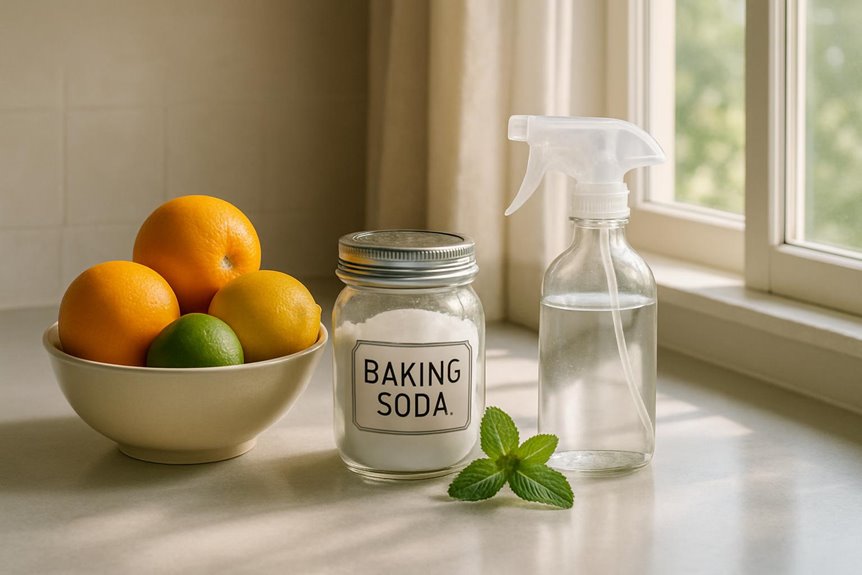
Baking soda acts as a powerful odor absorber, while vinegar solutions neutralize smells and provide a fresh scent. Essential oils can enhance the atmosphere with delightful fragrances, and activated charcoal excels at trapping odors.
Citrus peels not only smell great but also add a natural freshness, while coffee grounds can absorb unwanted scents effectively. Utilizing natural enzymes helps break down odor-causing substances.
For a quick fix, odor neutralizing sprays infused with these ingredients can revitalize any room. Embracing these remedies empowers individuals to maintain a fresh and inviting home naturally.
Deep Cleaning and Sanitization Methods
Deep cleaning and sanitization methods play an essential role in maintaining a healthy home environment.
These techniques not only remove stubborn odors but also guarantee that living spaces are free from harmful microbes.
Here are some effective methods to contemplate:
Steam cleaning: Utilizes high-temperature steam to penetrate surfaces, effectively eliminating odors and bacteria.
Microbial treatment: Targets specific odor-causing microorganisms, neutralizing them at the source.
Deep carpet cleaning: Extracts trapped dirt and odors from carpets, revitalizing the entire room.
Disinfecting hard surfaces: Guarantees that countertops and floors are sanitized, preventing odor recurrence.
Air purification: Improves indoor air quality, reducing lingering smells.
Professional Odor Removal Services
After addressing deep cleaning and sanitization methods, many homeowners may consider the benefits of professional odor removal services.
These specialized services offer effective solutions for eliminating persistent odors that standard cleaning may not fully address. Professional odor removal utilizes advanced techniques, such as ozone treatment and thermal fogging, to penetrate materials and neutralize odors at their source.
Homeowners can enjoy the freedom of a fresh, clean environment without the stress of tackling tough odors alone. Additionally, these services often save time and effort, allowing individuals to focus on what truly matters in their lives.
Preventive Measures to Avoid Future Odors
While professional odor removal services can effectively tackle existing issues, implementing preventive measures is vital for maintaining a fresh environment in the long run.
Adopting effective odor prevention strategies can greatly enhance one’s living space. Here are some tips for maintaining cleanliness and preventing future odors:
Regularly clean and vacuum carpets and upholstery.
Use odor-neutralizing products in high-traffic areas.
Guarantee proper ventilation in kitchens and bathrooms.
Store food in airtight containers and dispose of waste promptly.
Wash linens and pet bedding frequently.
Frequently Asked Questions
Can Pets Contribute to Persistent Household Odors?
Pets can certainly contribute to persistent household odors if proper pet hygiene is neglected. Regular grooming and cleaning are essential for odor prevention, ensuring a fresh home environment while allowing pets the freedom to roam comfortably.
How Do Seasonal Changes Affect Odor Removal Techniques?
Seasonal changes greatly influence odor removal techniques. Temperature fluctuations and varying humidity levels can affect odor retention and dispersal, necessitating adjustments in methods to effectively manage and eliminate unwanted smells in homes throughout the year.
Are There Specific Odors That Require Specialized Removal Methods?
Certain odors, like smoke odors and food odors, often necessitate specialized removal methods. These techniques target the unique compounds responsible for these lingering scents, ensuring a fresh environment that promotes freedom from unwanted smells.
What Household Items Can Inadvertently Trap Odors?
Household items like carpets, curtains, and upholstered furniture can inadvertently trap odors. Baking soda and coffee grounds, commonly used for their absorbing properties, can help mitigate these unwanted smells, promoting a fresher, more inviting living space.
Can Certain Fabrics Absorb Odors More Than Others?
Certain fabric types, like cotton and polyester, exhibit varying levels of odor retention. Natural fibers often absorb odors more readily, while synthetic materials may repel them, providing options for those seeking fresher, more breathable clothing choices.
Conclusion
In conclusion, effectively tackling odors, especially from sewage damage, requires a combination of immediate action and thorough remediation techniques. By enhancing ventilation, utilizing both chemical agents and natural remedies, and committing to regular cleaning, one can greatly improve indoor air quality. For stubborn odors, professional services can provide the expertise needed for complete elimination. By implementing preventive measures, individuals can maintain a fresh and pleasant environment, ensuring that unpleasant smells become a thing of the past.
Mold odors can be persistent and unpleasant, often indicating underlying issues that need attention. Addressing these odors requires a systematic approach to guarantee effective remediation. By understanding the key steps involved, homeowners can tackle mold odors with confidence. From identifying the source to implementing prevention strategies, there are essential tips to reflect upon. What are these strategies, and how can they lead to a fresher living environment?
Key Takeaways
Identify and eliminate the source of mold odors by inspecting areas such as basements, bathrooms, and behind appliances.
Use proper PPE, including respirators and gloves, to ensure safety during the remediation process.
Clean affected surfaces with effective solutions like vinegar or commercial mold removers to eliminate odors and prevent growth.
Seal remaining surfaces with mold-resistant products to prevent future growth in moisture-prone areas.
Conduct regular inspections and monitor air quality to ensure a mold-free environment and timely interventions.
Identify the Source of the Mold Odor
When attempting to address a persistent mold odor, it is essential to first identify its source, as doing so can considerably streamline the remediation process.
Mold growth often thrives in damp, hidden areas, making it vital to inspect spaces like basements, bathrooms, and behind appliances. Odor sources can include water damage, leaking pipes, or even poorly ventilated attics. By systematically checking these areas, one can better understand where the issue lies. Additionally, implementing effective strategies for complete mold remediation can help prevent future mold growth and associated odors.
It is also important to recognize that effective mold removal strategies can significantly reduce the chances of future odor problems. Once the source is identified, appropriate steps can be taken to eliminate both the mold and the unpleasant smell. This proactive approach not only enhances the living environment but also empowers individuals to take charge of their spaces, promoting a sense of freedom and well-being in their homes.
Use Proper Personal Protective Equipment (PPE)
Addressing mold odor effectively requires more than just identifying the source; it also demands the use of proper personal protective equipment (PPE). Utilizing the right PPE types not only guarantees safety but also enhances the remediation process. Key PPE usage includes:
PPE Type
Purpose
Recommendation
Respirator
Protects lungs from spores
Use N95 or higher rating
Gloves
Prevent skin contact
Opt for nitrile or rubber
Goggles
Shields eyes from irritants
Select anti-fog options
Additionally, wearing appropriate PPE significantly reduces the risk of health issues associated with mold exposure. Proper PPE not only protects individuals but also ensures effective remediation of mold problems in various environments.
Ensure Adequate Ventilation During Remediation
Ensuring adequate ventilation during mold remediation is essential, as it helps to disperse harmful spores and odors while promoting a healthier environment. Effective ventilation techniques, such as opening windows and using fans, can greatly improve air circulation throughout the affected area. This not only aids in removing stagnant air but also helps to dilute any lingering mold odors. Additionally, using exhaust fans can direct contaminated air outside, further enhancing the complete air quality. It is important for individuals involved in the remediation process to maintain a flow of fresh air, allowing for a safer and more effective cleanup. Proper ventilation is crucial to prevent mold growth after the initial remediation has taken place, as it reduces the risk of recontamination through airborne spores.
Remove Contaminated Materials
Removing contaminated materials is an essential step in effective mold remediation. Different mold types thrive in various environments, and identifying affected materials is significant. Items such as carpets, drywall, and insulation may harbor mold, necessitating their removal for successful remediation. The table below illustrates common contaminated materials and their potential cleaning techniques:
Material
Mold Type
Recommended Action
Carpets
Stachybotrys
Dispose and replace
Drywall
Aspergillus
Cut out and replace
Insulation
Penicillium
Remove and replace
Wood
Cladosporium
Sand and seal if salvageable
Proper handling of these materials is crucial to prevent future mold growth and ensure a safe living environment. Failure to address contaminated materials can lead to increased health risks for occupants, making it vital to act swiftly during the remediation process.
Clean Surfaces With Appropriate Solutions
Cleaning surfaces with appropriate solutions is essential in the mold remediation process. Effective cleaning techniques can greatly reduce mold odors and prevent further growth.
Homeowners should choose surface solutions specifically designed to eliminate mold and its associated smells. Common options include a mixture of water and vinegar, or commercial mold removers that are safe for various surfaces. Additionally, using mold-free products can enhance the effectiveness of the cleaning process.
It is vital to follow the manufacturer’s instructions for any cleaning product used, ensuring a thorough application. Additionally, using scrubbing tools can aid in removing stubborn mold residue, promoting a cleaner environment. Regular maintenance and the application of these cleaning techniques will help maintain freshness in the home, allowing homeowners to enjoy their space without the worry of lingering mold odors.
Understanding the mold removal costs associated with DIY versus professional services can also help inform your approach to remediation.
Utilize Dehumidifiers to Control Humidity Levels
Though mold can thrive in humid environments, utilizing dehumidifiers offers an effective way to control humidity levels and minimize the risk of mold growth.
By selecting the right dehumidifier types, homeowners can create a drier atmosphere that discourages mold proliferation.
Key considerations for effective humidity control include:
Capacity: Choose a dehumidifier based on room size to guarantee peak performance.
Energy Efficiency: Look for ENERGY STAR-rated models to save on energy costs.
Portability: Consider portable units for flexibility in different spaces.
Maintenance: Regularly clean and empty the dehumidifier for consistent operation.
Implementing these strategies can lead to a fresher, healthier environment, fostering freedom from mold-related concerns.
Apply Odor Neutralizers and Absorbents
When combating mold odors, applying odor neutralizers and absorbents can greatly improve indoor air quality. Odor neutralizers, such as activated charcoal and baking soda, effectively target and eliminate unpleasant smells, providing a fresher environment. Their effectiveness can vary based on the specific formulation, so it’s crucial to choose products that suit the situation.
In terms of absorbent materials comparison, options like zeolite and silica gel can trap moisture and odors, further enhancing air quality. By strategically placing these materials in affected areas, individuals can take proactive steps toward a healthier living space.
Altogether, the combination of odor neutralizers and absorbents offers a comprehensive approach to tackling mold-related odors, empowering homeowners to reclaim their home’s atmosphere.
Seal Remaining Surfaces With Mold-Resistant Products
To effectively combat mold odors, sealing remaining surfaces with mold-resistant products is essential for long-term prevention and control.
Utilizing mold-resistant coatings can considerably enhance the durability of surfaces while providing a barrier against future mold growth.
Implementing proper sealing techniques guarantees a comprehensive approach to mold remediation.
Choose high-quality mold-resistant paint or sealants.
Focus on areas prone to moisture, like bathrooms and kitchens.
Verify surfaces are clean and dry before applying coatings.
Regularly inspect sealed surfaces for signs of wear or damage.
These steps not only help in eliminating unpleasant odors but also contribute to a healthier living environment, offering peace of mind to those seeking freedom from persistent mold issues.
Monitor Air Quality Post-Remediation
Monitoring air quality after remediation is essential to guarantee a healthy living environment.
Utilizing air quality meters can help detect any lingering issues, while regular inspections of indoor spaces can reveal potential problem areas.
Additionally, maintaining proper ventilation systems plays an important part in preventing mold odors from returning.
Utilize Air Quality Meters
Air quality meters serve as essential tools in evaluating the effectiveness of mold odor remediation efforts.
By monitoring air quality post-remediation, homeowners can guarantee their spaces are safe and healthy. Proper meter calibration is vital for accurate readings, allowing individuals to make informed decisions about their environments.
Key benefits of utilizing air quality meters include:
Detecting lingering mold spores and odors
Evaluating the effectiveness of remediation techniques
Providing data for future prevention strategies
Assuring a safe indoor atmosphere for all occupants
Regularly Inspect Indoor Spaces
Regular inspections of indoor spaces play an essential role in maintaining a healthy environment, especially after mold odor remediation efforts.
By routinely checking indoor humidity levels, individuals can proactively address conditions that promote mold growth. High humidity can create a perfect breeding ground for mold, making it vital to monitor and manage moisture levels.
Regular inspections help identify potential problem areas, such as leaks or condensation, allowing for timely interventions. Additionally, keeping an eye on air quality can assist in detecting lingering odors associated with mold.
This ongoing vigilance fosters a sense of freedom in one’s living environment, ensuring that it remains fresh, safe, and free from the adverse effects of mold. Embracing these practices ultimately leads to healthier indoor spaces.
Maintain Proper Ventilation Systems
Ensuring adequate ventilation in indoor spaces becomes vital after mold odor remediation, as it directly impacts air quality.
Effective ventilation design and airflow management help prevent mold from returning and promote a healthier environment.
Post-remediation, monitoring air quality is essential to guarantee the effectiveness of previous efforts.
Consider the following steps:
Regularly check and replace air filters to maintain ideal airflow.
Utilize exhaust fans in areas prone to moisture, like kitchens and bathrooms.
Open windows when weather permits to improve natural ventilation.
Conduct periodic air quality tests to detect any lingering pollutants.
Educate Homeowners on Prevention Strategies
While many homeowners may not realize it, taking proactive steps to prevent mold growth can greatly enhance indoor air quality and general home health. Homeowner education on mold prevention is essential for a safe living environment. By understanding the causes of mold and implementing simple strategies, homeowners can markedly reduce risks.
Prevention Strategy
Description
Frequency
Control Humidity
Use dehumidifiers to maintain levels below 60%.
Year-round
Regular Inspections
Check for leaks and damp spots.
Monthly
Proper Ventilation
Guarantee airflow in all areas, especially basements.
Ongoing
Clean Gutters
Remove debris to prevent water buildup.
Seasonally
Use Mold-Resistant Products
Choose paints and materials designed to resist mold.
As needed
Frequently Asked Questions
How Long Does It Take to Completely Eliminate Mold Odor?
The duration to completely eliminate mold odor varies, often taking days to weeks. Factors such as mold growth extent and odor persistence influence this timeline, requiring thorough cleaning and proper ventilation for effective remediation.
Can I Use Home Remedies for Mold Odor Removal?
Home remedies can effectively combat mold odors. A baking soda application absorbs smells, while a vinegar solution neutralizes them. This friendly approach to odor removal empowers individuals to maintain a fresh environment without harsh chemicals.
What Are the Health Risks of Mold Odor Exposure?
Mold odor exposure can lead to various health risks, including mold symptoms such as headaches and fatigue. Additionally, individuals may experience respiratory issues, particularly those with allergies or pre-existing conditions, highlighting the importance of addressing mold promptly.
Are There Specific Products Recommended for Odor Neutralization?
When addressing odor neutralization, various products are available, including specialized odor neutralizers and effective mold sprays. These options help eliminate unpleasant scents, promoting a fresher environment and enhancing general air quality for a more comfortable living space.
How Can I Prevent Mold Odors From Returning?
To prevent mold odors from returning, individuals should implement preventive measures such as maintaining low humidity levels and performing regular inspections to identify potential issues early, ensuring a fresher, healthier living environment free from unpleasant odors.
Conclusion
To summarize, successfully remediating mold odors involves a systematic approach that includes identifying the source, using protective gear, and ensuring proper ventilation. By removing contaminated materials and cleaning surfaces effectively, homeowners can create a healthier environment. The application of odor neutralizers and sealing surfaces with mold-resistant products further enhances long-term prevention. Regular inspections and educating homeowners on moisture control are essential for maintaining a mold-free atmosphere. With these strategies in place, a fresher, safer home is within reach.
Mold odors can be a persistent nuisance in any home. Identifying the source is essential for effective remediation. A combination of moisture control, improved air quality, and odor removal methods can make a significant difference. Employing tools like air purifiers and dehumidifiers alongside natural remedies can help neutralize those musty smells. Nevertheless, the best approach may involve professional services. Understanding these strategies can lead to a fresher, healthier living environment. What steps can one take to guarantee lasting results?
Key Takeaways
Conduct a thorough mold inspection to identify the source of the odor and assess hidden areas prone to mold growth.
Utilize air purifiers with HEPA filters to capture mold spores and improve overall indoor air quality.
Control moisture levels with dehumidifiers to prevent further mold growth and mitigate musty odors.
Employ natural odor removal methods like vinegar solutions and baking soda to neutralize odors effectively.
Engage professional mold remediation services for comprehensive assessments and advanced removal techniques to ensure lasting solutions.
Identify the Source of Mold Odor
How can one effectively pinpoint the source of a mold odor? The process begins with thorough mold inspection, where individuals can confidently explore their living spaces.
A systematic approach to odor detection involves checking damp areas, such as basements, bathrooms, and under sinks. Using one’s sense of smell can often reveal hidden sources, while visual clues like discoloration on walls or ceilings may indicate mold growth. Additionally, identifying hidden moisture can be beneficial in using moisture meters to identify damp spots that may not be visible. Engaging with professionals for a comprehensive evaluation can provide peace of mind, ensuring that any underlying issues are addressed. A thorough inspection is crucial for effective mold remediation, as it helps uncover all potential sources of the problem.
Use of Air Purifiers and Dehumidifiers
Air purifiers and dehumidifiers are essential tools in the fight against mold odors, working together to create a healthier indoor environment. By enhancing air quality and providing effective moisture control, these devices considerably reduce the presence of mold spores and related odors.
Key benefits include:
Improved air quality through filtration of pollutants and allergens.
Moisture control that prevents mold growth by reducing humidity levels.
Odor elimination by capturing and neutralizing airborne particles causing unpleasant smells.
Enhanced comfort in living spaces, promoting general well-being.
Ease of use, often requiring minimal maintenance and setup.
Moreover, using these devices can significantly help in black mold growth prevention by addressing the root causes of mold proliferation.
Utilizing air purifiers and dehumidifiers can empower individuals to reclaim their spaces, fostering a fresh and inviting atmosphere. This combination of tools is particularly effective in mold remediation strategies that focus on preventing future infestations.
Implementing Proper Ventilation Techniques
Effective ventilation techniques play an essential role in mitigating mold odors within indoor environments. Properly designed ventilation systems can greatly improve airflow management, reducing moisture that fosters mold growth. Implementing mold prevention strategies can further enhance the effectiveness of your ventilation efforts.
Homeowners are encouraged to open windows and doors whenever possible, allowing fresh air to circulate and stale air to escape. Additionally, installing exhaust fans in areas prone to humidity, such as kitchens and bathrooms, can help maintain ideal air quality. Regular maintenance of HVAC systems is vital, ensuring filters are clean and airflow is unobstructed. By prioritizing effective ventilation, individuals can create a healthier living space, free from persistent mold odors, and enjoy the liberating feeling of fresh, clean air.
Moreover, addressing any existing mold issues before implementing ventilation strategies is crucial to ensure a comprehensive approach to odor remediation.
Employing HEPA Filters for Air Quality
Utilizing HEPA filters can greatly enhance indoor air quality, particularly in spaces affected by mold. These filters capture airborne particles, contributing to significant air quality improvement and promoting a healthier living environment. The benefits of HEPA filters are numerous:
Efficient Mold Spores Removal: Captures mold spores, reducing the risk of respiratory issues.
Allergen Reduction: Filters out allergens, providing relief for sensitive individuals.
Dust and Particulate Control: Minimizes dust accumulation, creating a cleaner space.
Odor Elimination: Helps mitigate musty odors associated with mold.
Improved General Health: Contributes to better general health by improving air quality. Additionally, using mold fogging techniques can further enhance the air purification process.
Incorporating HEPA filters into indoor spaces can be a valuable strategy for those seeking freedom from mold-related challenges. Additionally, using properly maintained filtration systems ensures optimal performance and longevity of the filters themselves.
Chemical Treatments for Mold Odor Removal
Chemical treatments can be an effective solution for removing mold odors, offering quick results when applied correctly. Nevertheless, it is essential to follow safety precautions to protect both individuals and the environment during the process. Understanding the balance between effectiveness and safety can lead to a successful mold odor remediation experience. Additionally, utilizing expert mold remediation techniques can enhance the overall effectiveness of the treatment and ensure thorough removal of odors. Effective mold removal strategies often include the use of specialized cleaning agents that target mold spores directly.
Effective Chemical Solutions
Removing mold odors often requires a strategic approach, and various chemical solutions can effectively neutralize these unpleasant smells. Understanding the chemical effectiveness of these treatments is essential for successful odor elimination.
Here are some popular options:
Hydrogen Peroxide: A powerful oxidizer that kills mold spores and neutralizes odors.
Vinegar: An eco-friendly solution that can penetrate porous materials to eliminate odor sources.
Baking Soda: Absorbs moisture and odors, making it a versatile choice for various surfaces.
Essential Oils: Natural options like tea tree or lavender oil can mask odors while providing antimicrobial properties.
Commercial Odor Neutralizers: Formulated specifically for mold odors, these products often contain enzymes that target odor-causing substances.
Choosing the right solution can lead to a fresher, healthier environment.
Safety Precautions Necessary
When tackling mold odors with various treatments, it is essential to prioritize safety precautions to protect both health and property.
Utilizing chemical solutions demands the use of protective gear, such as gloves, masks, and goggles, to shield against harmful fumes and skin contact. Proper ventilation is also important; ensuring fresh air circulation can greatly reduce inhalation risks.
Adhering to sanitation protocols is critical to maintain a safe environment. This includes thorough cleaning of the affected area before and after treatment, ensuring all mold spores are eliminated.
Natural Remedies for Odor Neutralization
Although mold odors can be persistent and unpleasant, several natural remedies offer effective solutions for neutralizing these unwanted scents.
Utilizing everyday household items can not only be budget-friendly but also safe for indoor air quality. Here are some effective natural remedies:
Baking soda: Sprinkling this powder in affected areas absorbs odors and moisture.
Vinegar solution: Mixing equal parts vinegar and water can create a powerful odor-fighting spray.
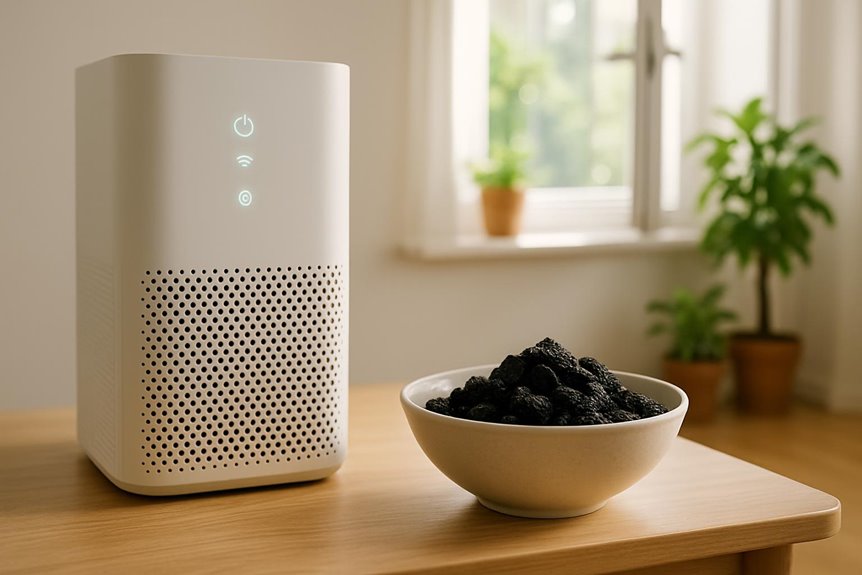
Activated charcoal: Placing bowls of activated charcoal can help absorb strong odors.
Essential oils: Oils like tea tree or lavender can mask and neutralize odors when diffused.
Citrus peels: Leaving fresh citrus peels around can naturally freshen the air.
These remedies empower individuals to reclaim their spaces from mold-related odors with ease.
Professional Mold Remediation Services
Professional mold remediation services play an essential role in effectively addressing mold issues.
These services are led by certified mold experts who conduct a comprehensive assessment to identify the extent of the problem.
Utilizing advanced remediation techniques, they guarantee a thorough and lasting solution to eliminate mold odors and protect indoor air quality.
Certified Mold Experts
Mold remediation is a critical process that requires expertise to guarantee a safe and effective resolution. Certified mold experts possess the necessary skills and knowledge to tackle mold issues efficiently. Their training often includes stringent certification requirements, ensuring they meet industry standards.
Key factors that define expert qualifications include:
Comprehensive knowledge of mold types and health impacts
Proficiency in advanced mold detection techniques
Expertise in safe removal and remediation methods
Familiarity with relevant regulations and safety protocols
Continuous education to stay updated on industry practices
Engaging certified professionals not only enhances safety but also provides peace of mind. This allows homeowners to reclaim their spaces free from mold-related concerns.
Comprehensive Assessment Process
A thorough assessment process is essential for effective mold remediation, ensuring that all underlying issues are identified and addressed.
Professional mold remediation services typically employ visual inspection techniques to scrutinize surfaces and hidden areas for signs of mold growth. This initial step allows experts to gauge the extent of the problem.
Additionally, moisture detection methods, such as hygrometers and thermal imaging, help pinpoint areas with excessive humidity, which can foster mold development.
By combining these approaches, specialists can develop a comprehensive understanding of the situation.
This detailed evaluation not only informs the remediation strategy but also empowers homeowners to take proactive measures, ensuring a healthier living environment free from the persistent threat of mold odor.
Advanced Remediation Techniques
While tackling mold issues can seem challenging, advanced remediation techniques employed by experienced services can effectively restore a home’s environment.
These methods not only address existing mold but also prevent future growth, ensuring long-term comfort and safety.
Key advanced techniques include:
Biological agents: Utilizing natural enzymes that break down mold at a cellular level.
Ozone treatment: Applying ozone gas to eliminate odors and kill spores effectively.
HEPA filtration: Using high-efficiency particulate air filters to capture airborne mold particles.
Thermal fogging: Deploying fogging agents that penetrate surfaces to neutralize odors.
Moisture control: Implementing systems to reduce humidity, discouraging mold growth.
These strategies empower homeowners to reclaim their spaces, fostering a healthier living environment.
Routine Maintenance to Prevent Future Odors
To effectively prevent future odors caused by mold, routine maintenance is essential for homeowners and property managers alike.
Regular preventive inspections play a vital role in identifying moisture issues before they escalate. By checking basements, attics, and crawl spaces, property owners can address potential problems early.
Additionally, routine cleaning of areas prone to dampness, such as bathrooms and kitchens, helps eliminate mold spores and odors. Maintaining proper ventilation and using dehumidifiers can further reduce humidity levels, creating an environment less conducive to mold growth.
Frequently Asked Questions
How Long Does It Take to Eliminate Mold Odor Completely?
The duration to completely eliminate mold odor varies, often influenced by mold lifespan and odor persistence. Typically, it can take days to weeks, depending on environmental conditions and thoroughness of remediation efforts undertaken.
Can Mold Odor Return After Remediation Efforts?
After remediation, mold odor can return if mold regrowth prevention measures are inadequate. Effective odor removal techniques, along with regular monitoring, are essential for maintaining a fresh environment and ensuring long-lasting results against unwanted smells.
Are There Health Risks Associated With Mold Odors?
Health risks associated with mold odors include potential mold exposure, which can lead to various health symptoms. Individuals may experience respiratory issues, allergic reactions, or other discomforts, highlighting the importance of addressing mold-related concerns effectively.
What Materials Are Most Prone to Absorbing Mold Odor?
Porous materials, such as furniture fabrics, are particularly susceptible to absorbing mold odors. These materials trap moisture and odors, making them challenging to clean effectively. Understanding this can help individuals maintain a fresher living environment.
Is It Safe to Live in a Moldy Environment During Remediation?
Living in a moldy environment during remediation poses risks due to mold exposure. Remediation safety is essential; it’s advisable to temporarily relocate to guarantee health and well-being while effectively addressing the mold issue.
Conclusion
To summarize, effectively tackling mold odors requires a multifaceted approach that prioritizes moisture control and air quality improvement. By identifying the source of the odor, utilizing air purifiers and dehumidifiers, and exploring both chemical treatments and natural remedies, individuals can create a healthier living environment. Additionally, engaging professional mold remediation services and maintaining routine upkeep can prevent future issues. With these strategies, anyone can banish musty smells and enjoy a fresher, cleaner space.
In emergency cleanup situations, having the right equipment can make all the difference. Essential tools like industrial air movers, dehumidifiers, and wet/dry vacuums play critical roles in effective restoration. Each piece of equipment serves a specific purpose, contributing to a comprehensive response. Understanding their functions and benefits is key to successful outcomes. What are the must-have tools that can truly enhance the efficiency of these cleanup efforts?
Key Takeaways
Industrial Air Movers enhance air circulation, accelerating drying processes and preventing mold growth during emergency cleanup.
Dehumidifiers effectively reduce humidity levels, safeguarding structural integrity and facilitating faster drying in water damage situations.
Wet/Dry Vacuums provide versatile cleaning for both liquid and solid messes, ensuring timely response during emergencies.
Water Extraction Pumps are essential for managing excess water, with options available for both submersible and centrifugal needs.
Personal Protective Equipment (PPE), including gloves and respirators, ensures safety for individuals handling hazardous materials during cleanup efforts.
Industrial Air Movers
Industrial air movers play an essential role in effective emergency cleanup efforts, particularly in water damage restoration and mold remediation.
These powerful devices enhance industrial air circulation, creating a steady flow of air that accelerates drying processes and prevents further damage. By utilizing air mover efficiency, professionals can quickly eliminate moisture from affected areas, ensuring a safer environment. Additionally, proper moisture control is critical in preventing secondary damage during the restoration process.
The design of these air movers allows for strategic placement, maximizing airflow where it’s needed most. In emergencies, time is of the essence, and these machines help restore spaces to their original condition more rapidly. Additionally, mold removal techniques are often enhanced by the use of air movers, as they help to reduce humidity levels that support mold growth.
For those who value freedom from the burdens of delayed recovery, investing in efficient air movers is a smart decision in any cleanup operation.
Dehumidifiers
Within the domain of emergency cleanup, dehumidifiers are a key component in combating excess moisture and restoring affected areas to a safe state. These devices effectively reduce humidity levels, preventing mold growth and safeguarding structural integrity. Additionally, they play a crucial role in water damage restoration by facilitating the drying process of various materials.
The dehumidifier benefits include improved air quality and quicker drying times, which are essential during recovery efforts. Regular dehumidifier maintenance, such as cleaning filters and checking drainage systems, guarantees peak performance and longevity. Additionally, utilizing water mitigation techniques can further enhance the effectiveness of dehumidifiers in the recovery process.
Wet/Dry Vacuums
Wet/dry vacuums serve as versatile cleaning solutions, making them essential tools for emergency cleanup situations.
When selecting the right model, it is crucial to take into account key features such as suction power, tank capacity, and portability.
Understanding these factors can help guarantee effective and efficient cleaning during unexpected messes.
Versatile Cleaning Solutions
An extensive variety of cleaning challenges can be efficiently tackled with versatile cleaning solutions like wet/dry vacuums.
These powerful tools are designed to handle both liquid and solid messes, making them indispensable for emergency situations. Users can choose eco-friendly cleaners that are safe for the environment while still delivering effective results. In addition, proper ventilation is crucial for preventing mold growth following water damage.
Wet/dry vacuums also accommodate multi-surface solutions, allowing for seamless shifts from carpets to hard floors without the need for multiple devices. This flexibility not only enhances the cleanup process but also empowers individuals to address diverse cleaning tasks with ease. In addition, timely response to water damage can significantly minimize the impact of the emergency.
With the right wet/dry vacuum, anyone can embrace the freedom to tackle any mess, ensuring their space remains clean and inviting during emergencies.
Key Features to Consider
Choosing the right wet/dry vacuum involves understanding essential features that enhance its performance and usability. Key factors to evaluate include suction power, which determines how effectively the vacuum can handle various debris types.
Additionally, tank capacity is vital for extended cleaning sessions, reducing the need for frequent emptying. Equipment durability is paramount; look for models constructed from high-quality materials that meet safety standards for reliable operation.
Versatile attachments can also improve functionality, allowing users to tackle different surfaces and messes with ease. Lastly, reflect on ease of mobility and storage, as a lightweight design with convenient handles can make cleanup tasks far less intimidating.
With these features in mind, freedom from clutter and chaos is within reach.
Disinfectant Sprayers
Disinfectant sprayers play an essential role in maintaining cleanliness and safety in various environments, especially during times of heightened health concerns.
These versatile tools come in several sprayer types, including handheld, battery-operated, and backpack models, each designed to enhance cleaning efficiency. By providing an even distribution of disinfectant solutions, sprayers can effectively cover large areas quickly, reducing the risk of contamination.
Users appreciate the freedom that disinfectant sprayers offer, allowing them to easily tackle various surfaces, from floors to high-touch areas. This adaptability makes them invaluable for homes, offices, and public spaces alike.
Investing in a quality disinfectant sprayer guarantees a safer environment, promoting comprehensive health and well-being for everyone in the vicinity.
Water Extraction Pumps
Water extraction pumps are vital tools for managing excess water during emergencies, and understanding the different types available can greatly impact cleanup efficiency.
Key features to evaluate, such as pump capacity and portability, play a significant role in selecting the right model for specific situations.
Additionally, regular maintenance and care tips can guarantee these pumps remain reliable and effective when needed most.
Types of Water Pumps
When facing water damage, understanding the various types of water extraction pumps becomes essential for efficient cleanup.
Among the most commonly used are submersible pumps and centrifugal pumps. Submersible pumps are designed to operate underwater, making them ideal for draining flooded areas. They effectively remove water from basements or other submerged locations, providing quick relief.
Conversely, centrifugal pumps utilize a rotating impeller to move water, making them suitable for larger volumes and higher flow rates. These pumps are often used in commercial settings for extensive water removal.
Both types of pumps serve critical roles in emergency situations, enabling property owners to regain control and restore their spaces with ease and efficiency.
Key Features to Consider
Choosing the right water extraction pump involves considering several key features that can greatly impact the efficiency and effectiveness of the cleanup process.
These features not only enhance performance but also guarantee safety during operation. Here are four essential aspects to keep in mind:
Safety Features: Look for automatic shut-off mechanisms and thermal overload protection to prevent accidents.
Energy Efficiency: Opt for models designed to consume less electricity without compromising power.
Portability: Lightweight and compact designs make it easier to transport and maneuver in tight spaces.
Pump Capacity: Higher GPM (gallons per minute) ratings guarantee quicker water removal, expediting the cleanup process.
Additionally, consider how proper training in water damage remediation can optimize the use of your equipment.
Considering these features will help anyone make an informed decision when selecting a water extraction pump.
Maintenance and Care Tips
Regular maintenance and care of water extraction pumps are essential for guaranteeing their longevity and ideal performance. Proper equipment storage and regular inspections can greatly enhance the reliability of these valuable tools. Keeping pumps in a dry, clean environment helps prevent rust and damage. Additionally, checking hoses and connections for wear can avert potential leaks.
Maintenance Task
Frequency
Importance
Clean filters
Monthly
Guarantees optimal flow
Inspect hoses
Quarterly
Prevents leaks
Test operational function
Before use
Confirms performance
Moisture Meters
Moisture meters play an essential role in emergency cleanup efforts, allowing professionals to accurately assess water levels in various materials. Effective moisture detection is vital for ensuring proper drying and preventing mold growth. These devices aid in humidity control, creating a safer environment during cleanup operations. In addition, using top-tier water damage services ensures that the moisture meters are properly utilized for optimal results. Furthermore, professional water damage restoration often employs advanced techniques to enhance the accuracy of readings.
Here are four key benefits of using moisture meters:
Accurate Readings: Provides precise moisture levels in walls, floors, and other surfaces.
Quick Response: Enables rapid assessment to implement timely drying solutions.
Preventative Action: Helps identify potential problem areas before they escalate.
Versatile Use: Suitable for various materials, including wood, drywall, and concrete.
Thermal Imaging Cameras
Thermal imaging cameras serve as invaluable tools in emergency cleanup scenarios, offering a non-invasive method to detect temperature variations that indicate moisture presence.
Utilizing advanced infrared imaging technology, these cameras enable users to identify hidden leaks, dampness, or mold growth that may not be visible to the naked eye. The thermal detection capabilities allow for quick assessments of affected areas, facilitating timely interventions to prevent further damage.
With their intuitive designs, operators can easily interpret thermal images, leading to informed decisions in cleanup efforts. By integrating thermal imaging into emergency response, teams can enhance their efficiency, ultimately safeguarding properties and ensuring a healthier environment. Additionally, these cameras play a crucial role in identifying potential fire hazards, helping to mitigate risks before they escalate into larger issues.
This innovative tool is essential for anyone seeking freedom from the burdens of unexpected water damage.
Personal Protective Equipment (PPE)
Personal protective equipment (PPE) is a critical component in emergency cleanup operations, ensuring the safety and well-being of responders.
Selecting the right PPE involves understanding the PPE selection criteria, which can greatly influence the effectiveness of protection during hazardous situations. Comprehensive PPE training programs are essential to prepare individuals for real-world challenges.
Here are four essential items to take into account:
Gloves – Protect hands from chemicals and contaminants.
Respirators – Safeguard against inhalation of harmful particles.
Safety Goggles – Shield eyes from splashes and debris.
Coveralls – Provide full-body protection from hazardous materials.
Frequently Asked Questions
How Do I Choose the Right Cleanup Equipment for My Situation?
When selecting cleanup equipment, one should consider various cleanup equipment types and specific choosing criteria, such as the nature of the mess, required efficiency, and available resources, ensuring a tailored solution for each unique situation.
What Is the Typical Cost Range for Emergency Cleanup Equipment?
The typical cost range for emergency cleanup equipment varies widely, influenced by cost factors such as equipment brands, quality, and functionality. Prices can start from modest amounts and escalate considerably for advanced, specialized tools.
How Often Should I Replace My Emergency Cleanup Equipment?
Emergency cleanup equipment should be replaced based on a maintenance schedule, typically every three to five years, depending on its lifespan and usage frequency. Regular assessments guarantee reliability and readiness for unforeseen situations.
Are Rental Options Available for Emergency Cleanup Tools?
Rental services offer an assortment of emergency cleanup tools, ensuring tool availability for those who prefer flexibility. This option allows individuals to access necessary equipment without the commitment of purchase, promoting freedom during unexpected situations.
What Safety Precautions Should I Take While Using Cleanup Equipment?
When using cleanup equipment, individuals should prioritize personal protective gear and guarantee proper equipment maintenance. This approach not only enhances safety but also fosters a sense of freedom in effectively managing emergency situations without unnecessary risks.
Conclusion
To summarize, having the right equipment is essential for effective emergency cleanup. Industrial air movers and dehumidifiers optimize drying, while wet/dry vacuums and water extraction pumps handle excess moisture efficiently. Disinfectant sprayers guarantee a safe environment, and monitoring tools like moisture meters and thermal imaging cameras help uncover hidden problems. Lastly, comprehensive personal protective equipment (PPE) safeguards those involved in the cleanup process. Investing in these tools not only accelerates recovery but also promotes safety and cleanliness.